GREECE
 PELOPONNESE
MESSINIA
ENGLIANOS
THOLOS IV
PELOPONNESE
MESSINIA
ENGLIANOS
THOLOS IV

2025-01-11
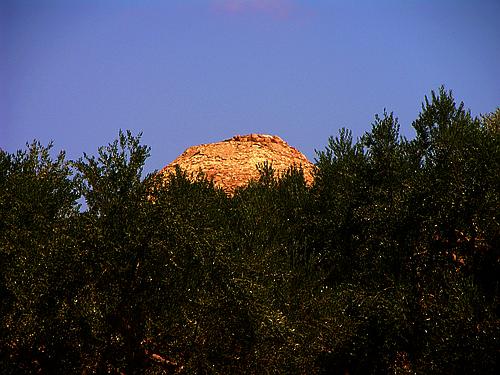
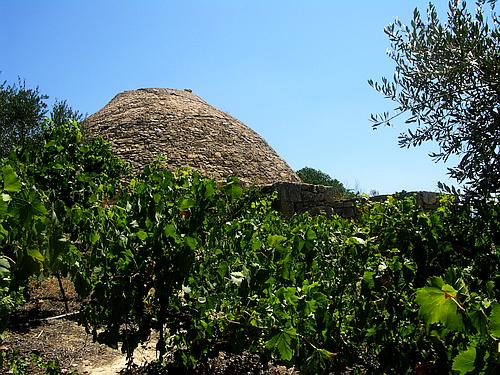
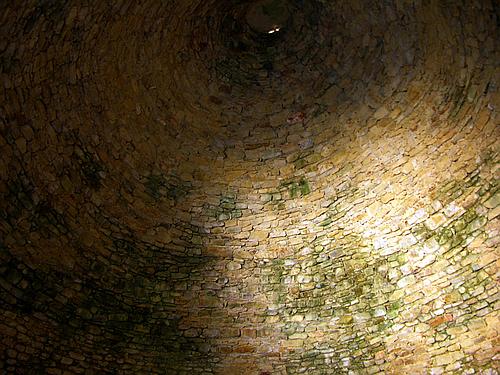
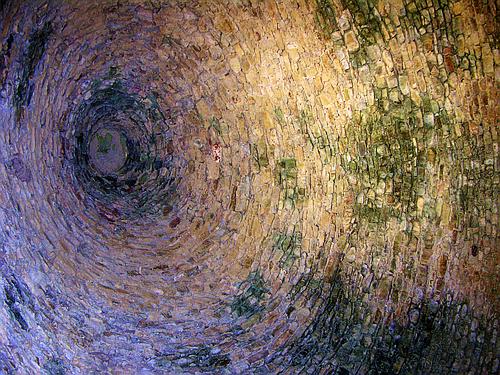
Only some 200 m from the palace of Nestor at Ano Englianos is "Tholos Tomb IV", with its diameter of 9.35 m the largest of the tholos tombs in the area (see also: Kato Englianos tholos, Koryphasio tholos). It was built around 1550-1500 BC, showing that there was an important settlement - probably the centre of an extensive territory - on the hill of Ano Englianos prior to the now visible remains of Nestor's palace.
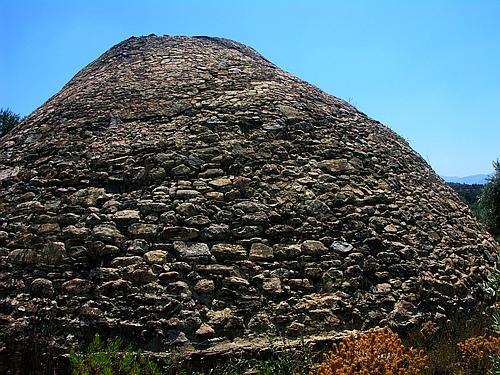
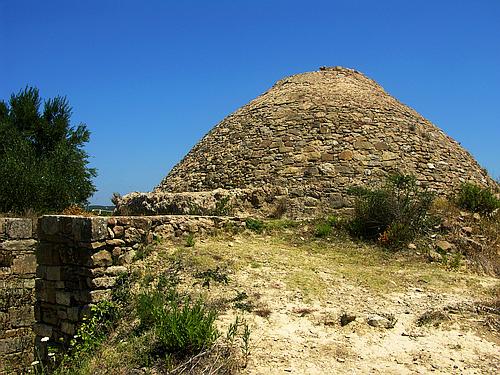
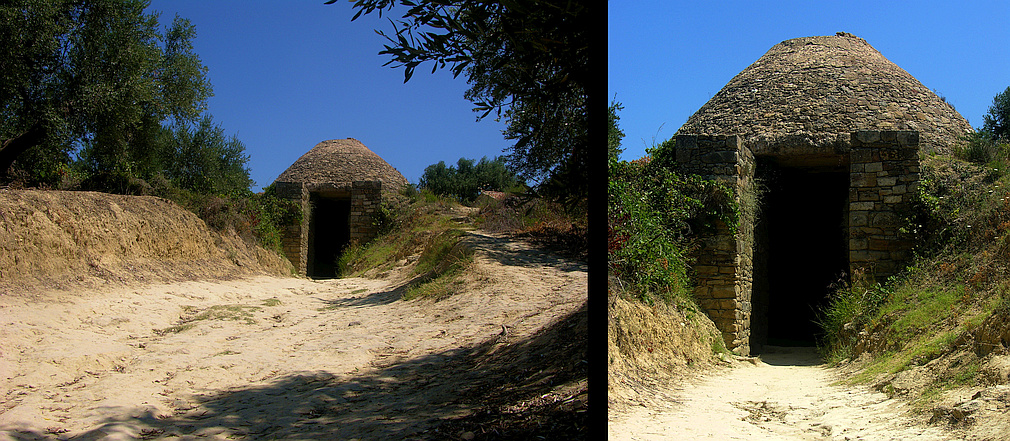
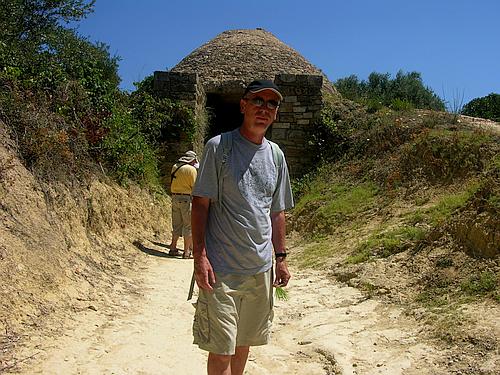
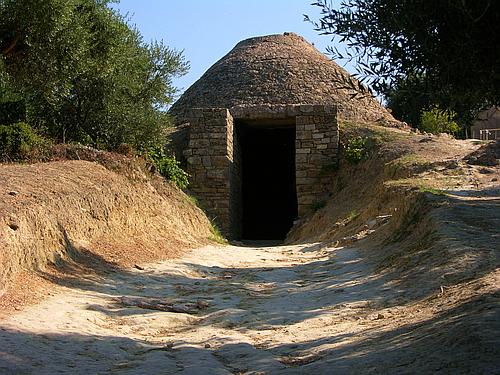
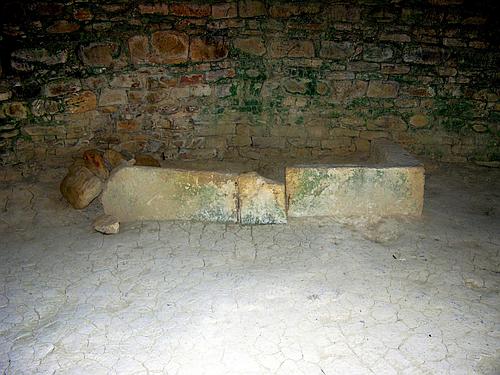
Tholos IV remained in use as a family tomb throughout the 15th century, perhaps until the 13th century BC. It accomodated at least 17 burials.
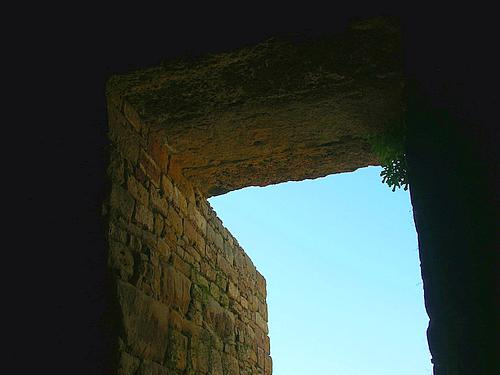
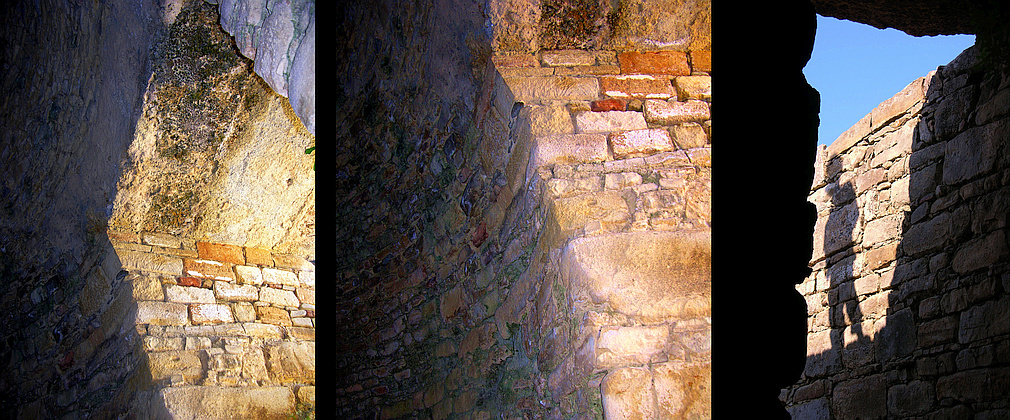
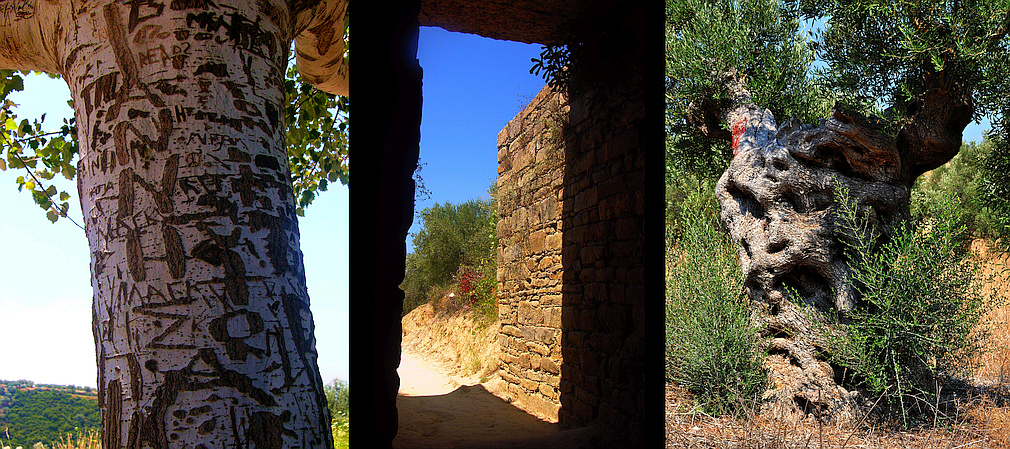
The dromos is not walled, but the stomion with its heavy lintel (although partly restored) is remarkable. There is no relieving triangle above the entrance, which altogether indicates a quite early date of construction (see also: Mycenaean burials - the tholos tombs).
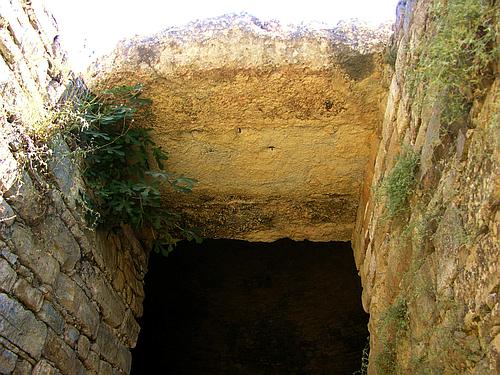
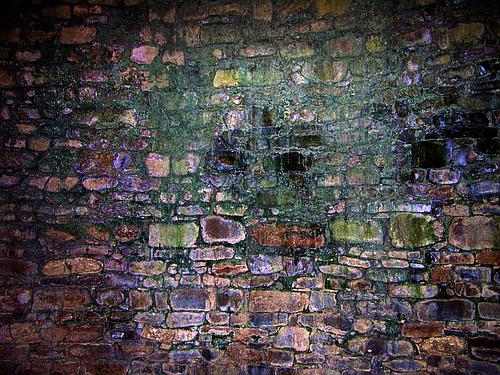
Tholos Tomb IV was investigated in 1953, and in 1957 the collapsed corbel-vault was restored by the Greek Archaeological Service. Although the tomb had been looted already in antiquity, it still contained pottery and precious small objects. Among them were four owls of sheet-gold, and a gold seal with the representation of a griffin, the royal emblem. - Some of the finds are exhibited in the Archaeological Museum of Chora, but the majority is in the National Archaeological Museum in Athens.