GREECE
 MACEDONIA
PIERIA
DION
PARK
MACEDONIA
PIERIA
DION
PARK

2025-10-22
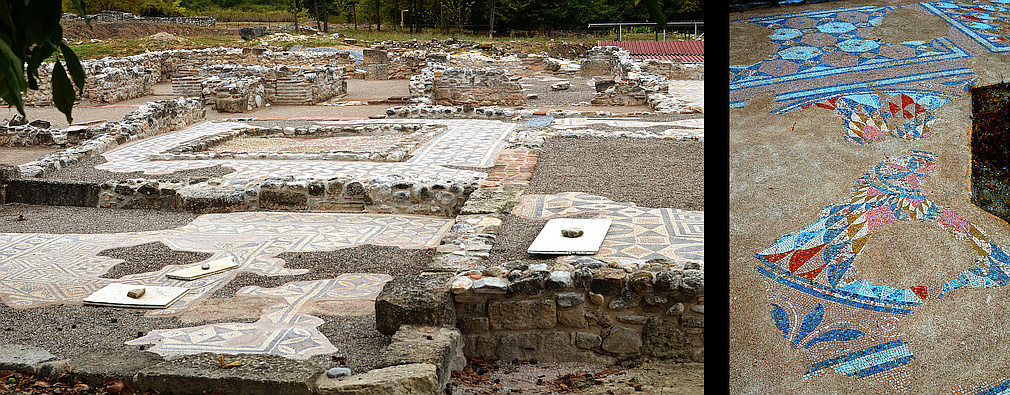
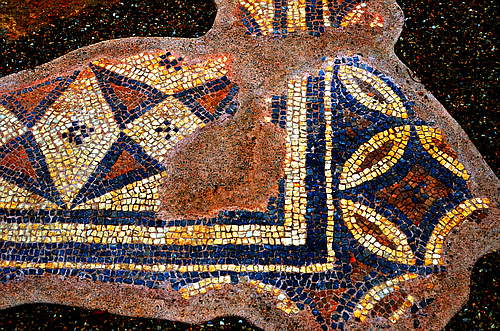
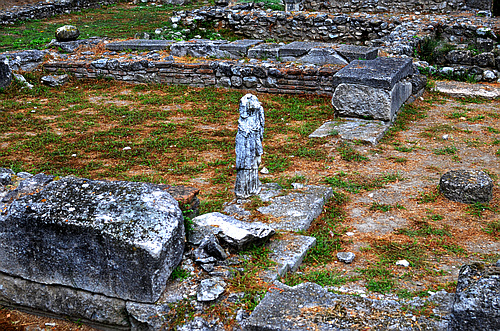
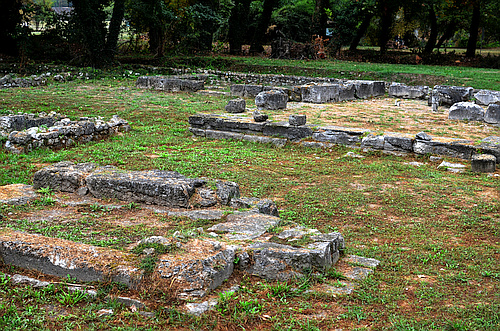
Above and below: The agora (forum) of Dion, measuring 180 x 120 m, was the heart of the city's public life. It consisted of a large paved square, with a total of 58 x 45 m and was surrounded by a pi-shaped porticus, as well as spaces for both public and private use. In the centre of the western wing of the forum lies a luxurious building bearing a mosaic floor and frescoes imitating marble decoration, which has been associated with the worship of the Roman emperors.
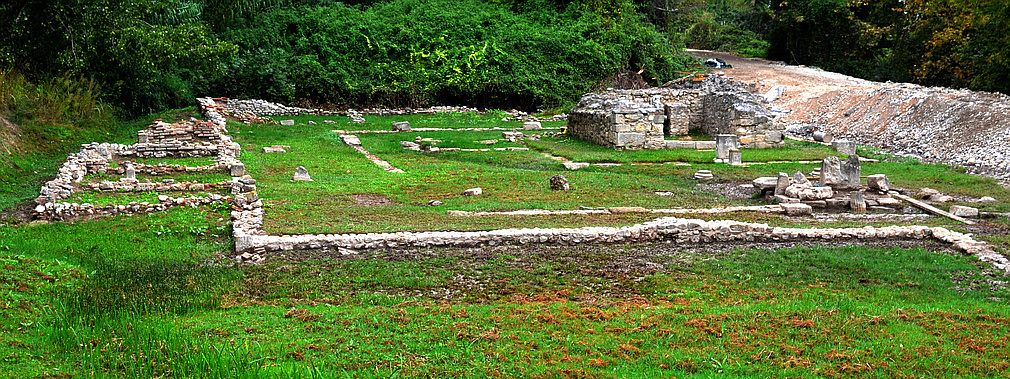
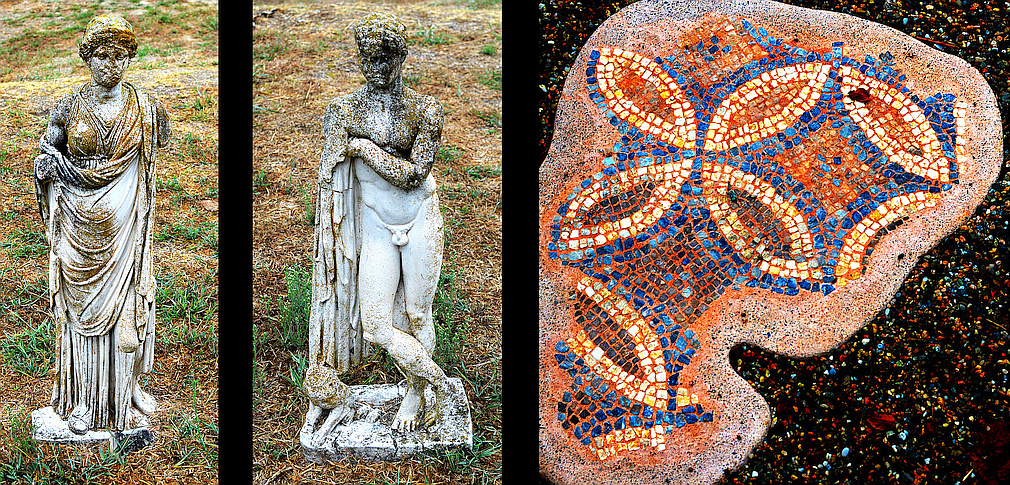
Above: Sanctuaries dedicated to the goddesses of fertility, in particular to Demeter. For the ancient Greeks, the name of the goddess Demeter meant "Mother Earth". Her worship began in the open plains of Thessaly where since time immemorial, people have cultivated cereal. Great celebrations devoted to Demeter and her daughter Persephone were held every October in the season of seeding (or harvest), known as Thesmophoria. Women initiated in the sacred rites were the main actors in secret ceremonies celebrating the fertility of the earth and the women. - Below: Sculptures in the sanctuary of Demeter.
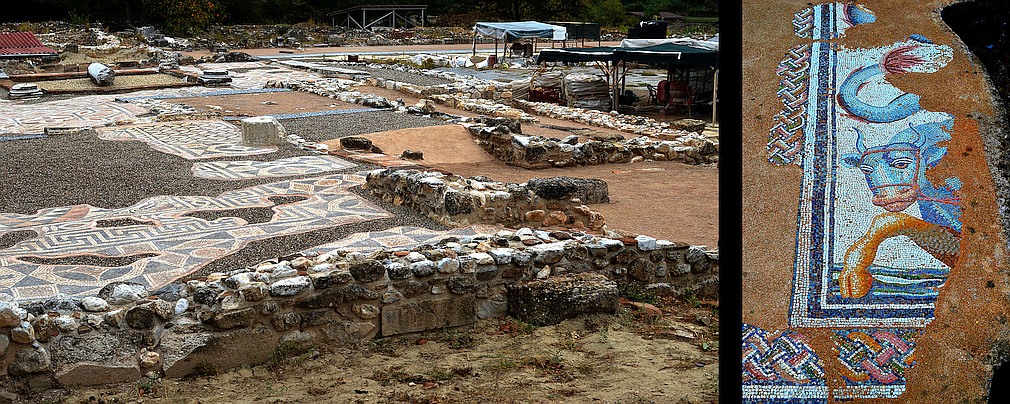
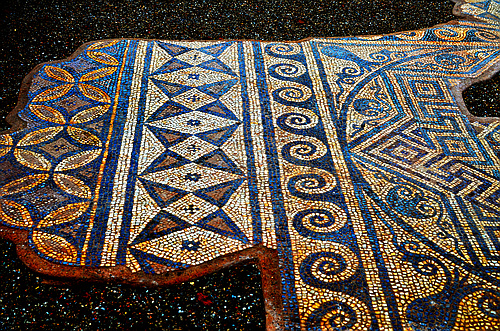
Below: The sanctuary of Zeus Hypsistos ("the highest God"). A sacred way, lined with columns topped by marble eagles, led to it. Dominating the middle of the spacious square of the precinct (temenos) is the temple, which was surrounded by stoas with rooms for the needs of the sanctuary. In front of the temple are the altar and the stone block at which the animals for sacrifice were tied. The temple of Zeus Hypsistos comprises one hall (cella) surrounded by flank columns (pteron). On the floor are mosaic representations of a white bull and a double axe and panels with depictions of crows. On the north wall of the cella is the built base of the cult statue, which was found fallen beside it. A marble eagle with outstretched wings and head turned towards the god was placed inside the temple. - The statue of Zeus Hypsistos, a well-sculpted work of Imperial times, has survived almost intact. Its iconographic type harks back to the famous statue of Phidias, which stood in the sanctuary of Olympia. In all probability, a statue of Hera stood on the same pedestal as the statue of Zeus.