>> BACK TO GREECE <<
 TURKEY
TROY
TURKEY
TROY

2025-01-20
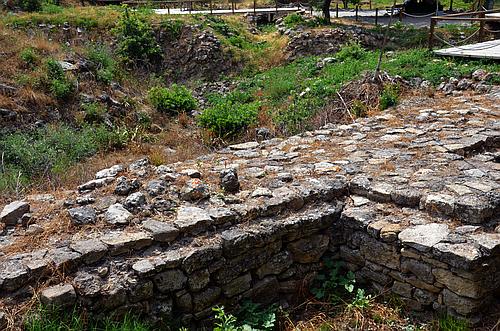
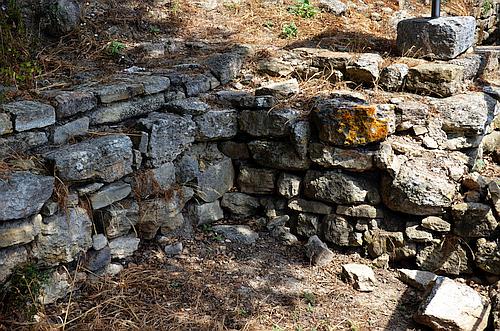
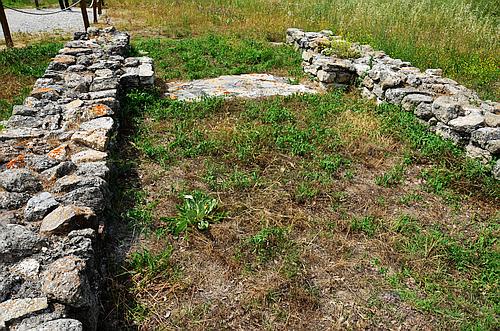
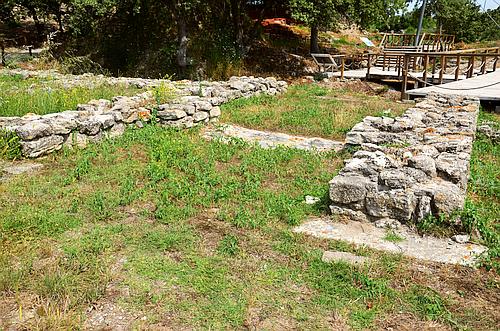
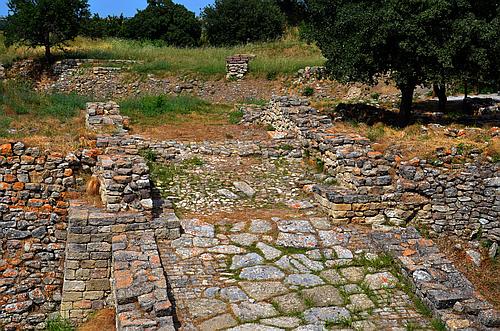
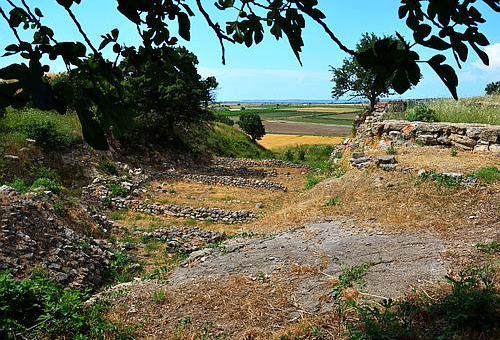
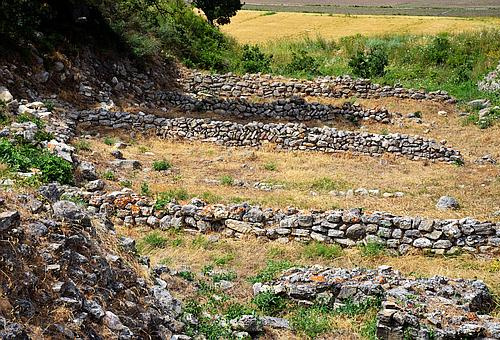
Above: Fundaments of a megaron-type building with protruding walls - antae - on the longer sides. From this floor plan later evolved the Greek temple with two columns in antis.
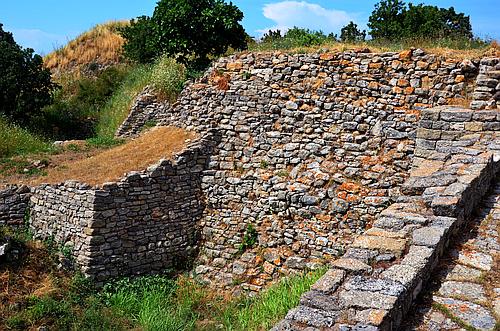
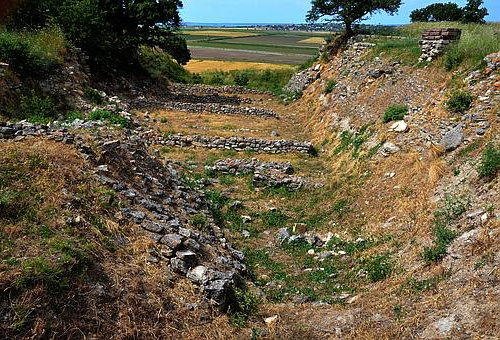
Below: The "Schliemann Trench" looking North. Heinrich Schliemann hastily dug this enourmous trench through the heart of the citadel hill in 1879. Actually it were the remains of Troy II, where Schliemann assumed the "burnt city" to be that of the Trojan War. The fundaments of three longhouses of the megaron-type can be seen. The whole citadel of Troy II had a strongly representative character. It was a palace or residence also serving cultic purposes where only the really wealthy upper class lived.
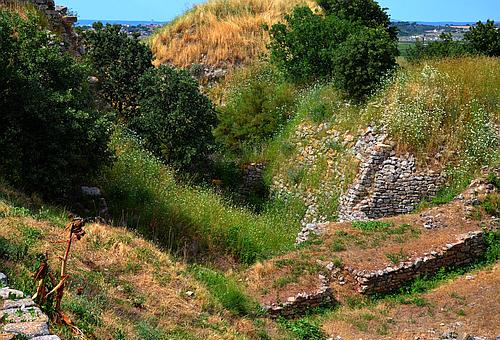
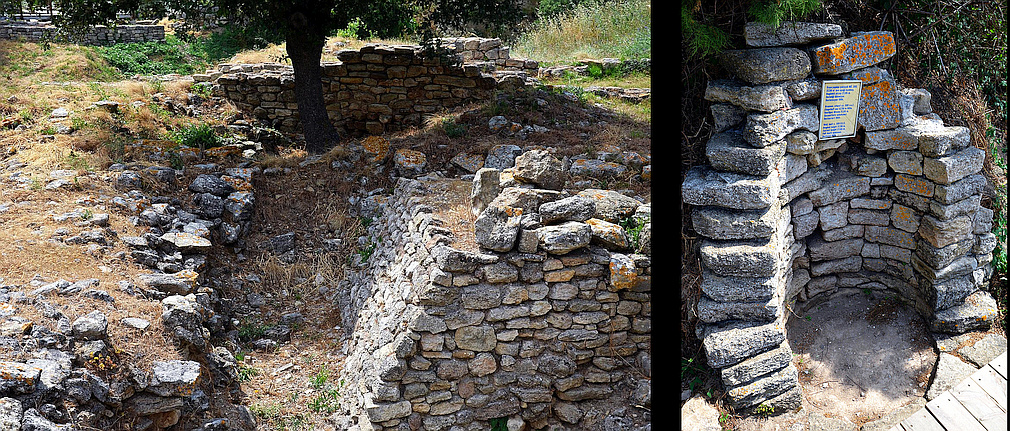
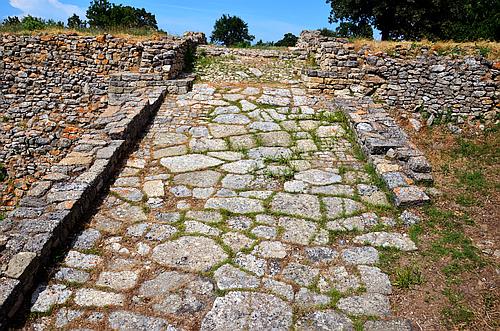
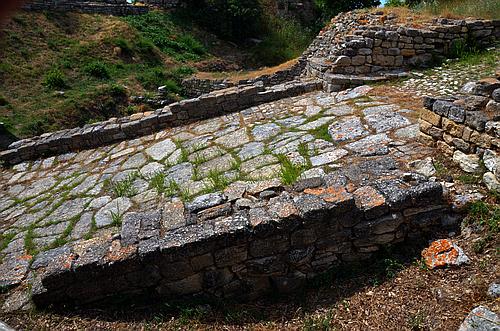
Above right: A well, built around 300 BC, with an original depth of at least 37.50 m (full depth unknown). - Below: An impressive ramp, paved with stone slabs, leads to "Gate FM" of Troy II. To the left of this ramp is where Schliemann found the legendary "treasure of Priam". The fortification wall visible here comes from the latest phase of Troy II when the acropolis had reached an area of 8000 square metres.