>> BACK TO GREECE <<
 TURKEY
TROY
TURKEY
TROY

2025-01-20
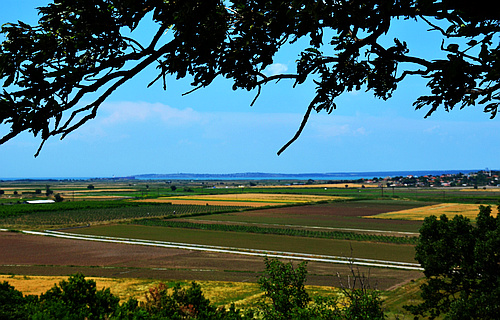
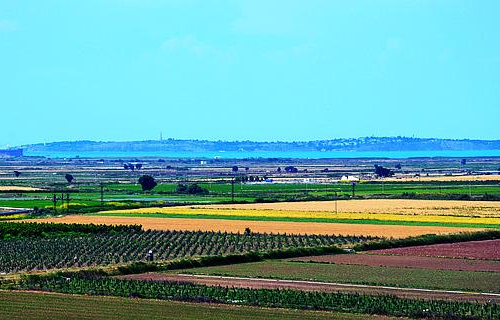
Above: Looking from Hisarlik North to the Dardanelles, which were much closer in antiquity.
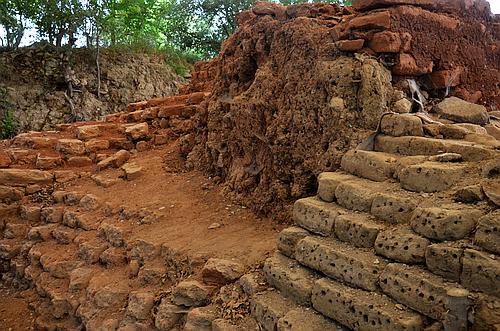
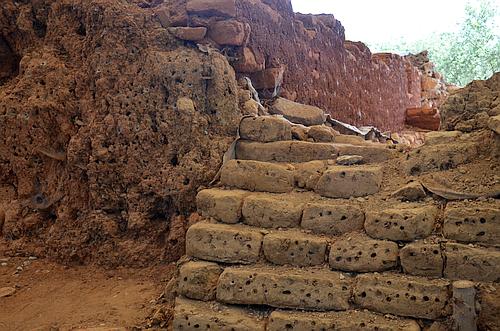
Above and below: Under a shelter are the remains of a megaron of Troy II-III. The walls of mudbrick were built on a stone fundament and still rise to a height of 1.50 m. Radiocarbon dating of remaining barleycorn showed that the building was in use until 2290-2200 BC, when it was destroyed by fire. According to the finds it had at least partly a cultic significance.
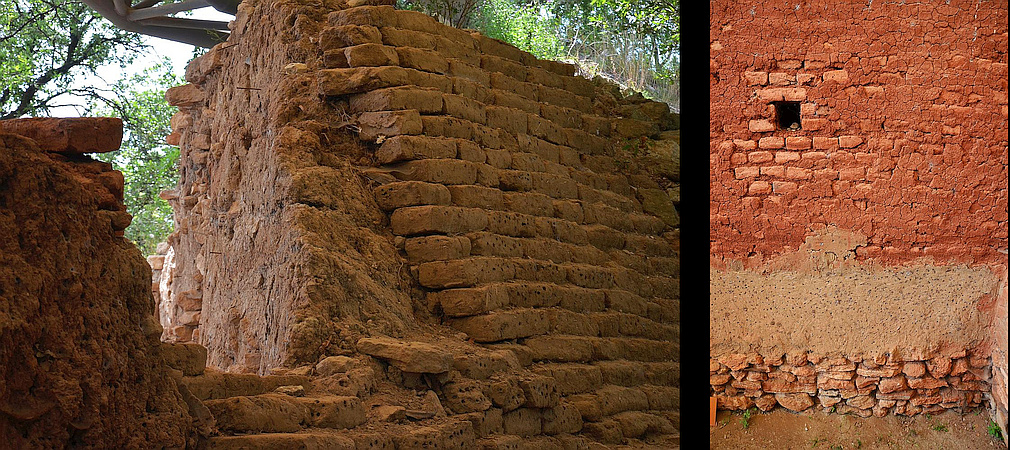
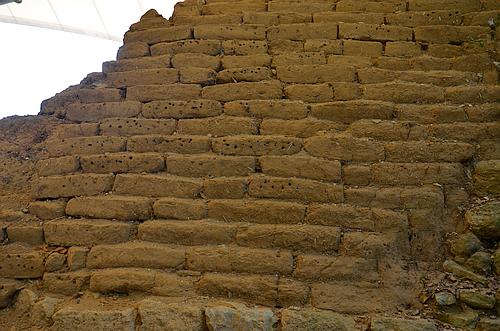
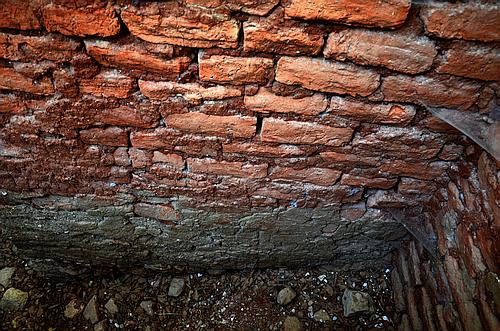
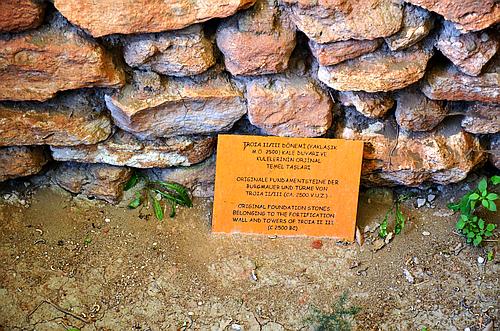
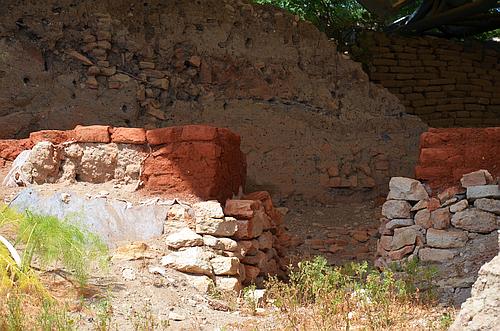
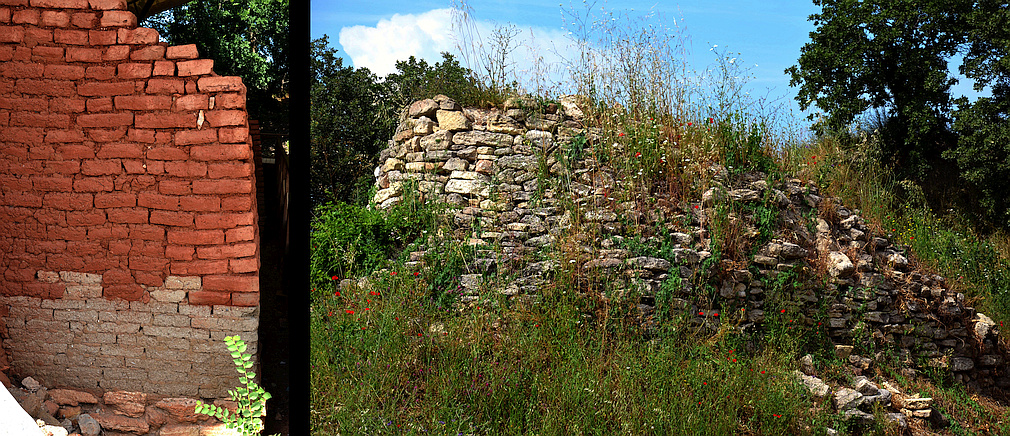
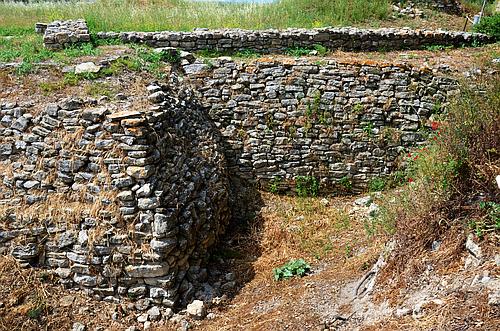
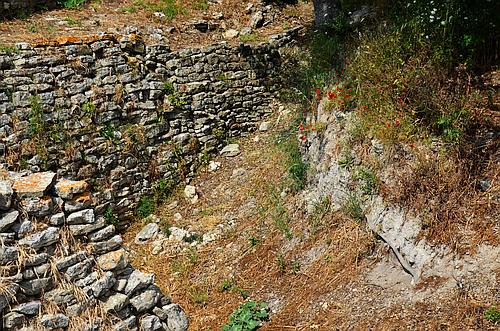
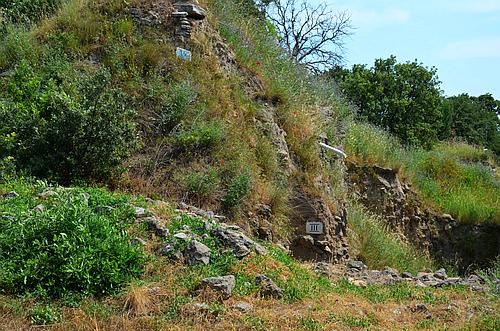
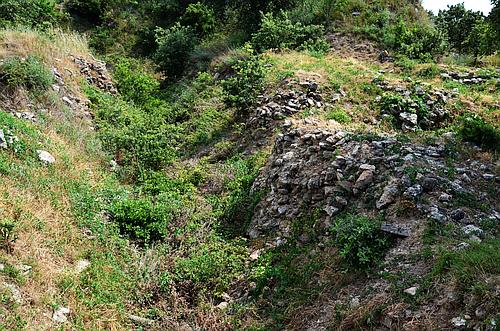
Above and below: Part of the fortification of Troy I, built about 2920 BC on solid rock. On the left side is a tower guarding the southern gate behind it with a gateway only 2 m wide. The inclined walls enclosed the settlement of Troy I with a diameter of ca. 90 m. According to the layers of rubble reaching a height of 4 m, this was a long lasting period of the settlement.
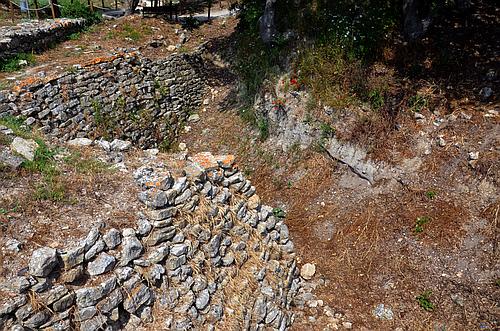
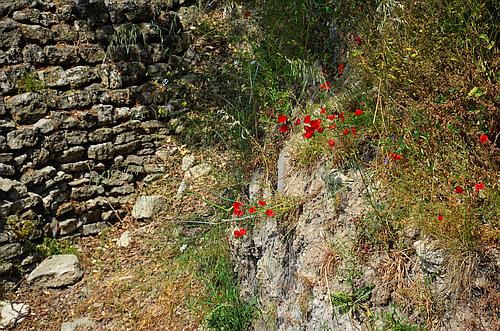
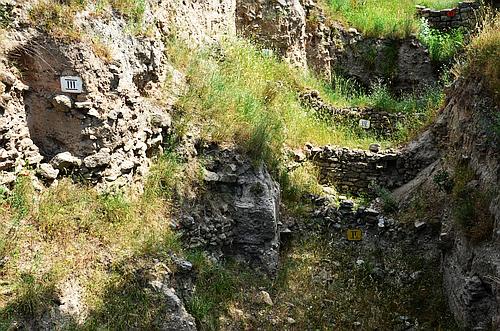
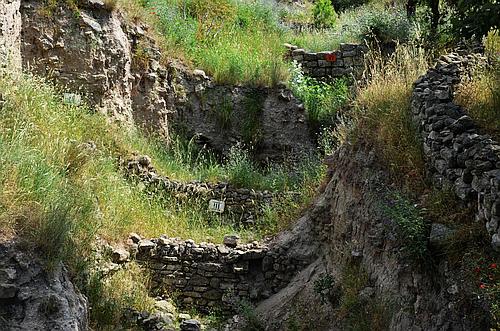
Above and below: Views of the site where the layers from Troy II to Troy IX have been marked.