GREECE
 PELOPONNESE
ELEIA
OLYMPIA
MUSEUM
PELOPONNESE
ELEIA
OLYMPIA
MUSEUM

2024-12-21
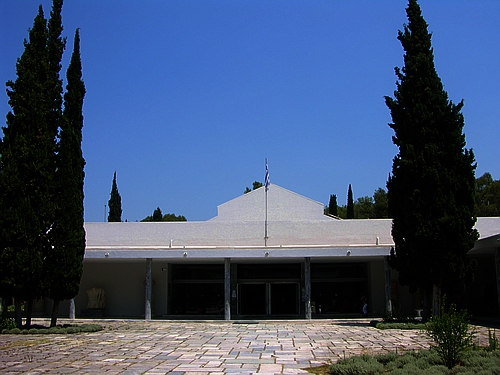
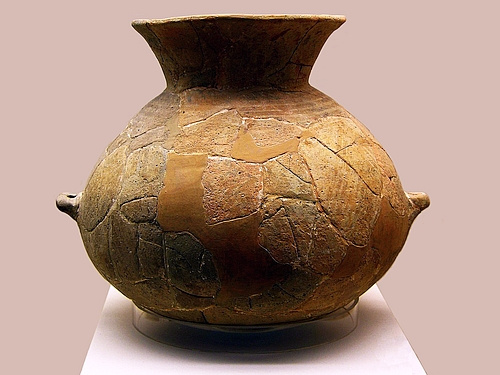
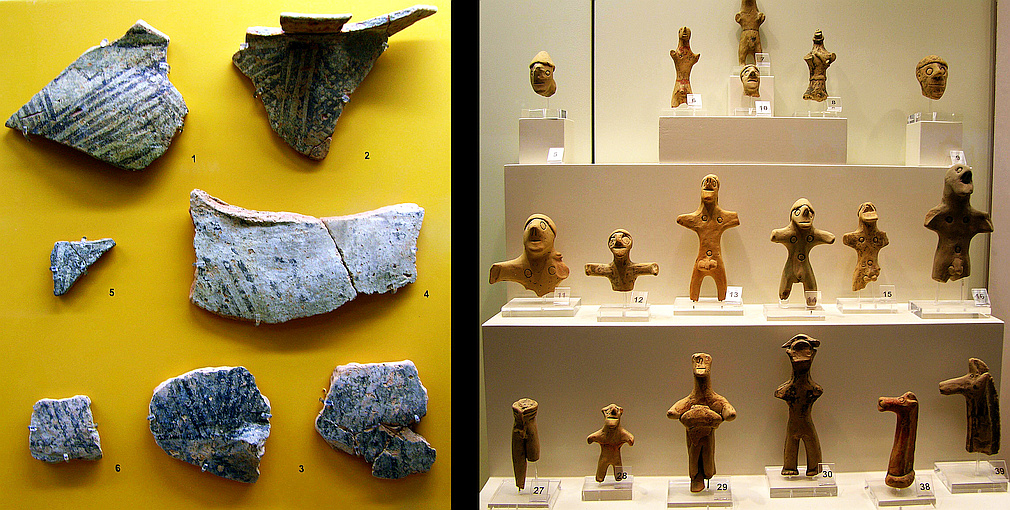
Only objects found in the excavations at Olympia and nearby sites are exhibited in the Archaeological Museum of Olympia, but nevertheless it is one of the major museums of Greece. - Above right: Pattern-painted globular jar with funnel neck, EH II. - Below left: Sherds from the altis of Early Helladic III - Middle Helladic I. - Below right: Terracotta votive statuettes, 10th - 7th century BC.
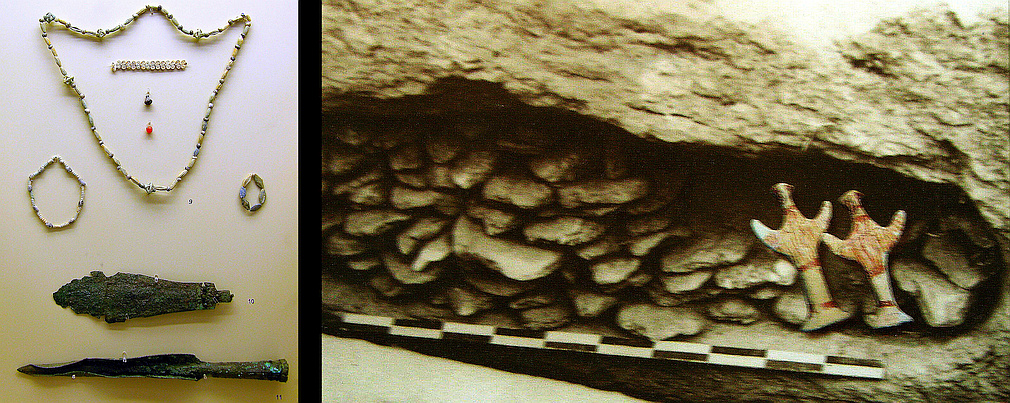
Above left: Finds from the chamber tomb B of the Kalosakas cemetery, ca. 1400-1300 BC. - Above right: Reproduction of a burial niche opened in the wall of the dromos of a Mycenaean chamber tomb, Zounis, 1400-1200 BC.

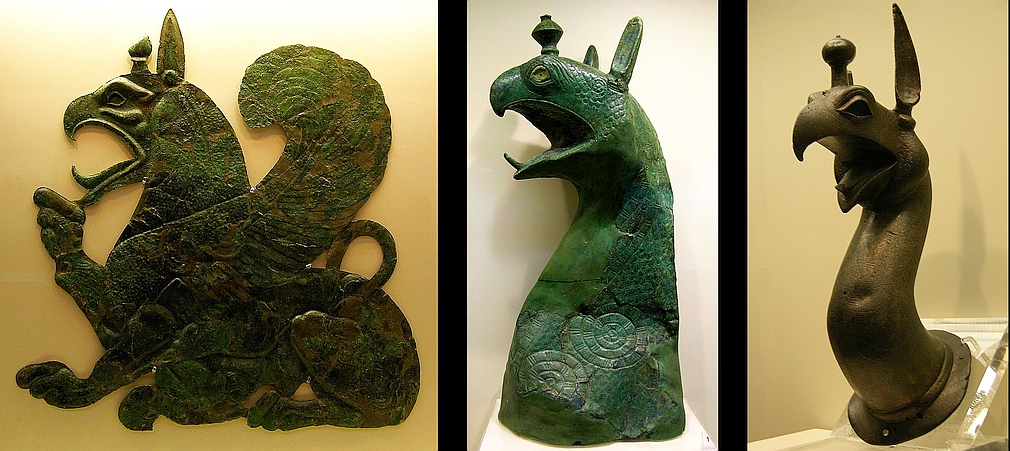
Above left: Various bronze votive statuettes. - Above right: Bronze horse from an Argive workshop, beginning of the 7th century BC. Its monumentality is unique in comparison with other artefacts from the Geometric period. - Below: Bronze protomes of a griffin; from a Corinthian workshop, 630-620 BC (left); before middle of the 7th century BC (center); second half of the 7th century BC (right).
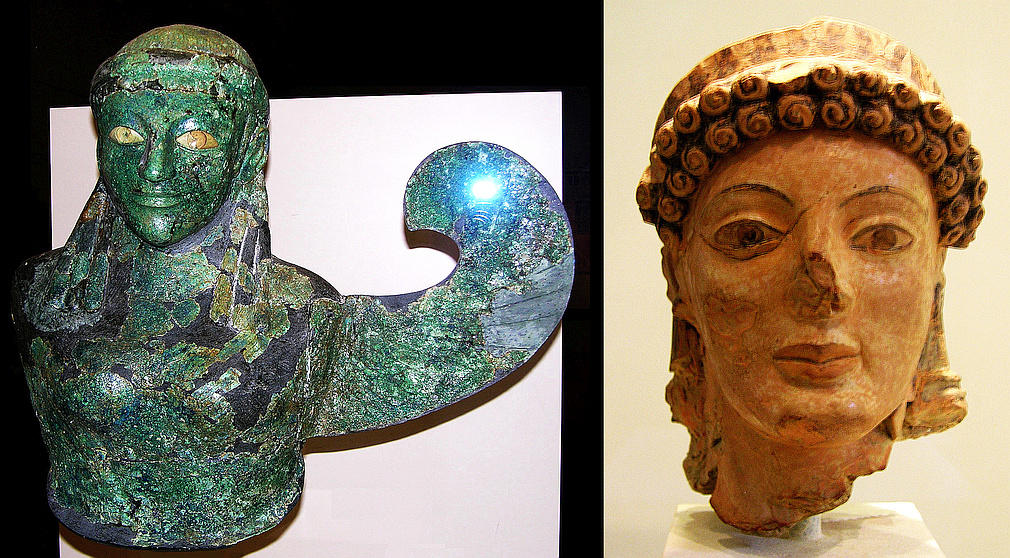
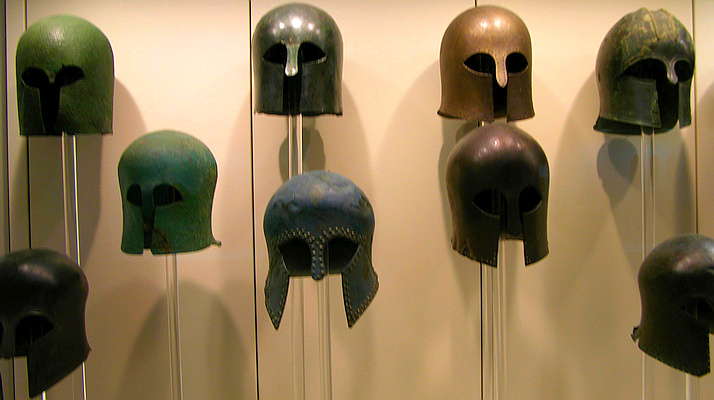
Above left: Winged female, bronze, ca. 580 BC. - Above right: Clay head of Athena, from a Corinthian workshop, beginning of the 5th century BC. - Below: Bronze helmets "Corinthian style", 8th century BC.
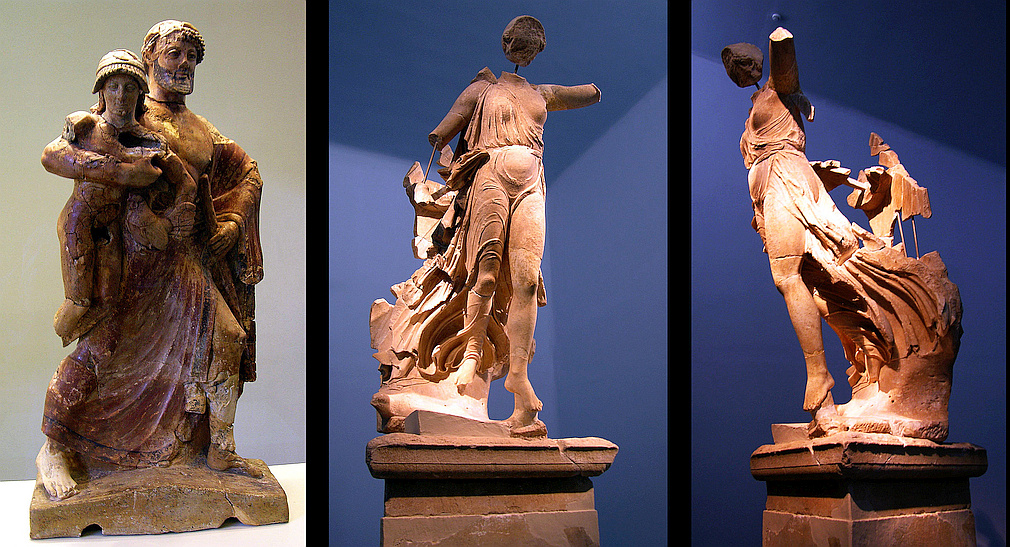
Below left: terracotta group depicting Zeus carrying off young Ganymede. From a Corinthian workshop, 480-470 BC, probably an acroterion of a temple. It is based on the myth that Zeus - shown here as a powerful, bearded hiker with walking stick - kidnapped the royal prince Ganymede of Troy to bring him as cup-bearer to the Olymp. The couple is presented with an erotic aura, underlined by the rooster in the God's right hand, which was used as a sexual symbol. - Below right: "Nike of Paianios". The winged deity triumphantly descending from Olympos was dedicated by the Messenians and the Naupactians for their victory over the Lacedaemoniansn(Spartans) in the Peloponnesian war in 421 BC. It was cut from Parian marble by the sculptor Paianios.