GREECE
 PELOPONNESE
ARGOLIS
PROSYMNA
PROSYMNA
PELOPONNESE
ARGOLIS
PROSYMNA
PROSYMNA

2024-12-13
Mycenaean tholos tomb
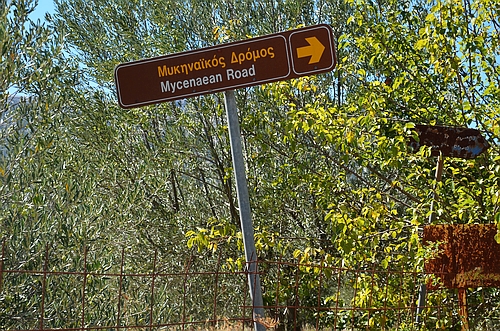
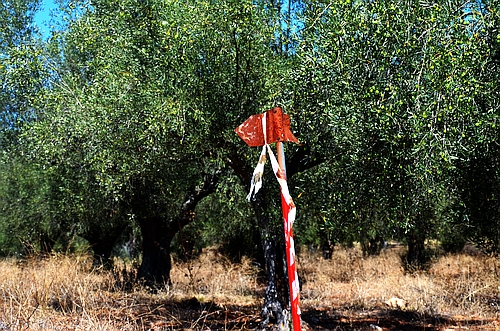
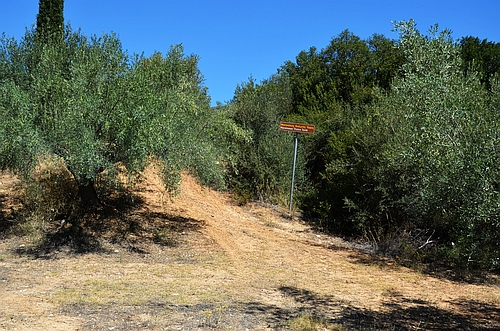
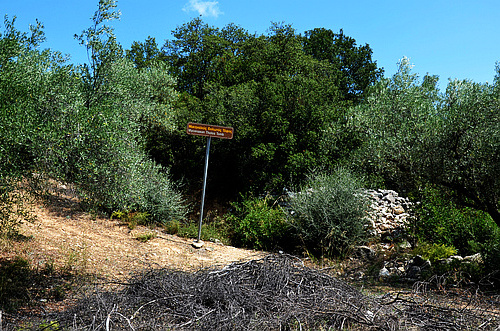
It is easy to drive on a Mycenaean road without noticing it. Some signs are not very clear and only with the help of a local did I find the tholos tomb in the end. The sign on the asphalt road directs you on a dirt track to the right but it is easy to miss the tomb some 100m further on because the next sign on the right is placed next to its entrance in an olive grove, and the vegetation is taking over.
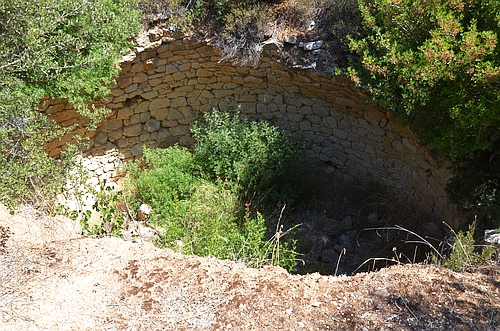
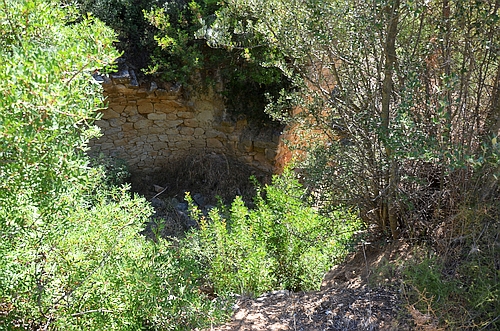
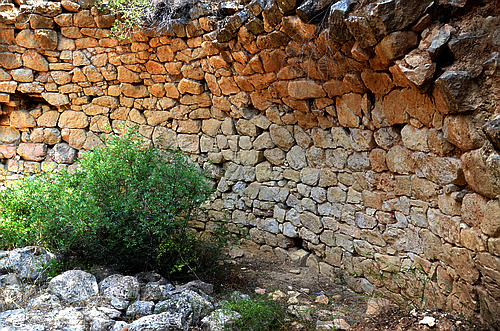
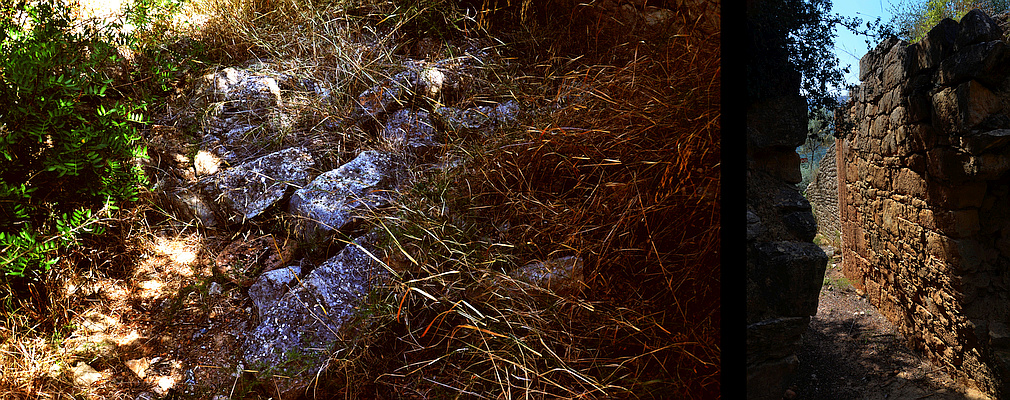
The tomb was excavated by Axel W. Persson in 1935. The ceiling of the chamber with a diameter of 8 m has collapsed, so here are some views from above.
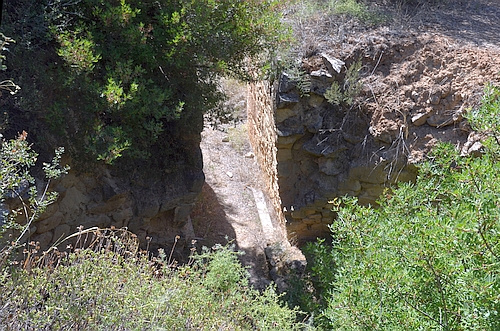
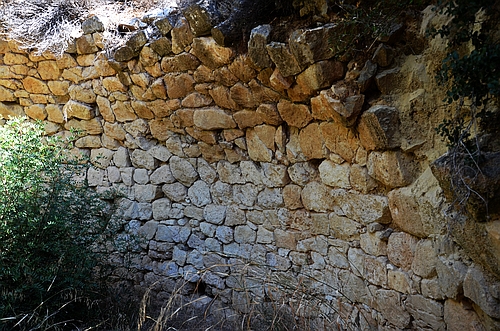
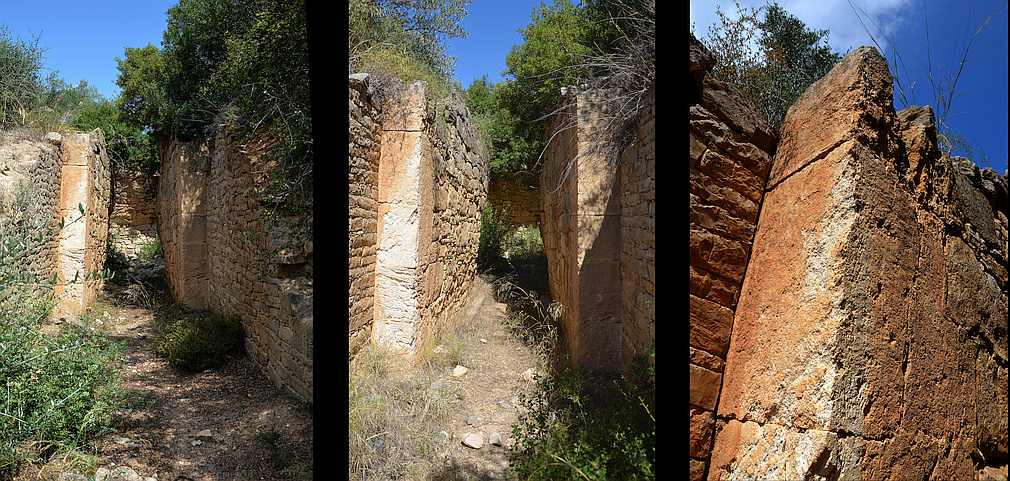
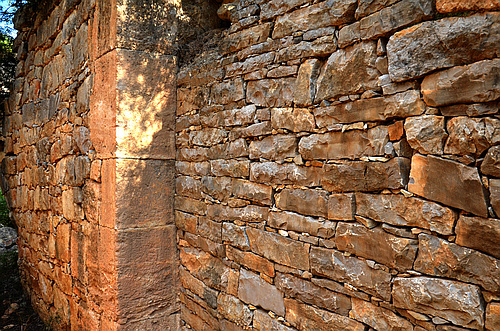
Above and below: The dromos is 8 m long and 2.25 m wide. It leads to a quite long, carefully worked stomion, the upper parts of which are missing.
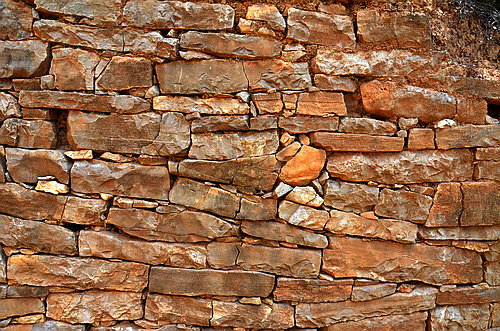
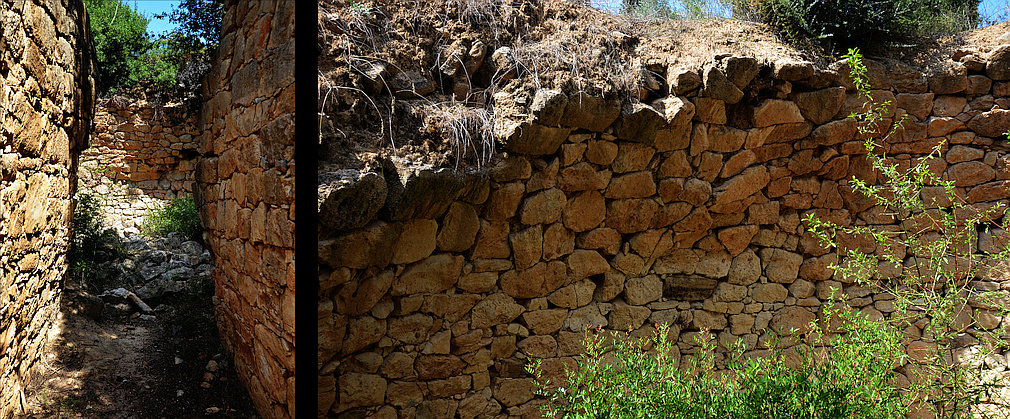
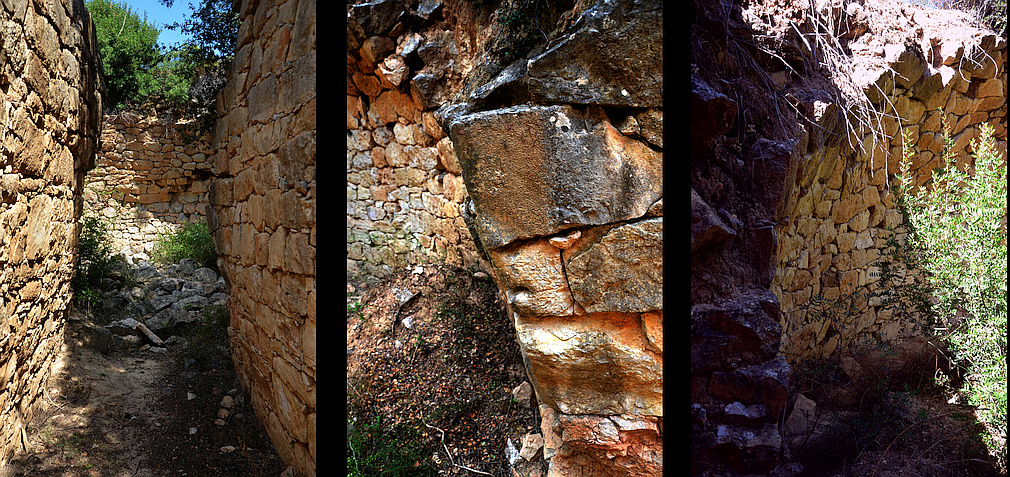
The tholos tomb contained just one burial, accompanied by Palace style and other pottery that was dated to the LH II period (c. 1400 BC). In addition there was pottery of Late Geometric (late 8th century BC) and Late Roman date showing that the tomb was reused in much later periods.
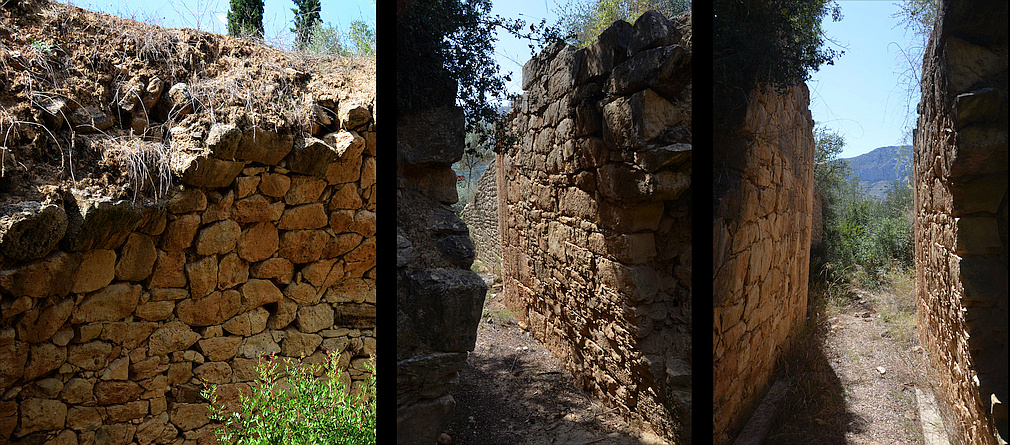
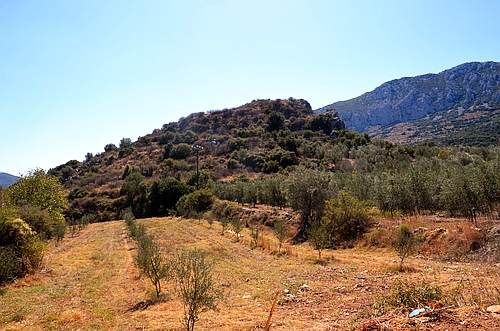
Below right: Left of the asphalt road is the prehistoric acropolis "Megalos Mastos", the hill being called Mastos (breast) because it somehow looks like a female breast. Swedish archaeologists found evidence that people lived here since the Neolithic period, i.e. the 5th millennium BC, up to the Middle Ages. - The North side of the hill is said to be the easiest to climb, but it is so overgrown with scrubs that I have not tried.