GREECE
 PELOPONNESE
ARGOLIS
ASINE
ACROPOLIS
PELOPONNESE
ARGOLIS
ASINE
ACROPOLIS

2024-11-21
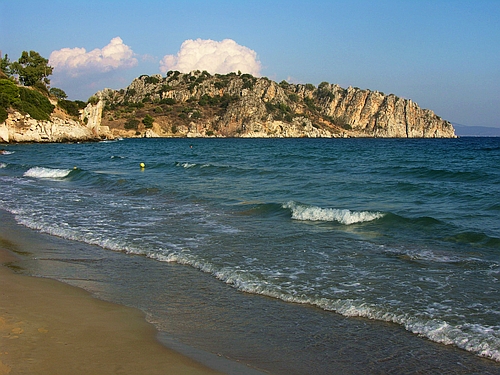
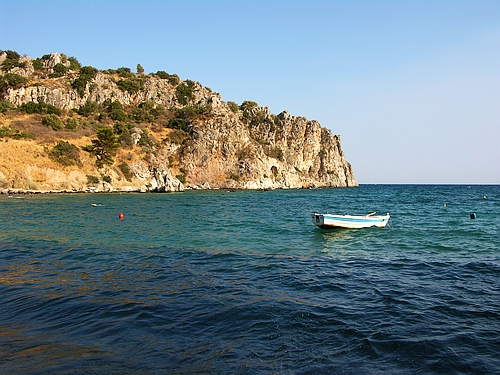
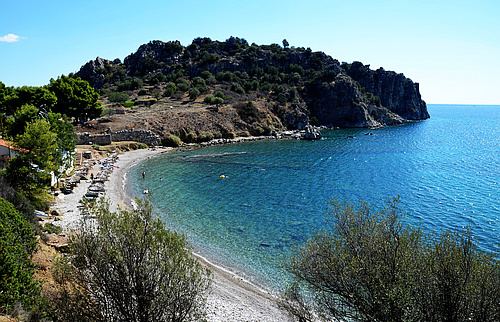
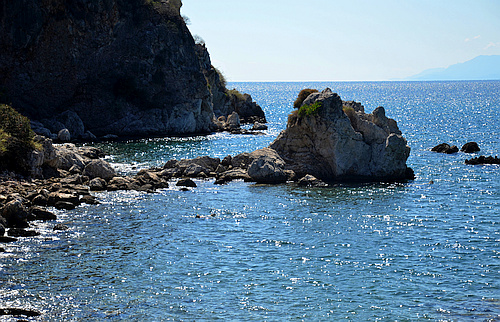
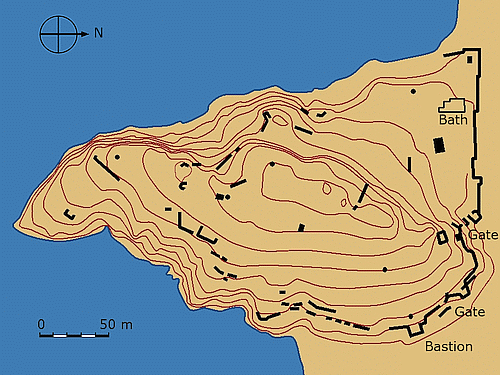
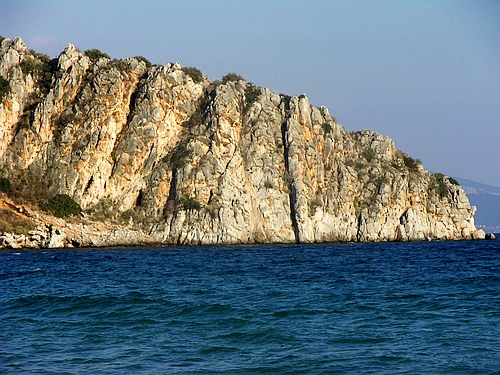
On the eastern end of modern Tolo, in the Argolic Gulf, lies the rocky peninsula of Asine (or: Asini). Today known as Kastraki, it is in plain view from the much frequented beach of Tolo, but hardly ever visited. The promontory, 330 m long and 150 m wide, with a natural harbour rises 52 m above sea level.
The earliest traces of settlement at this site are from the Neolithic period (5th millenium BC). Subsequently, the acropolis was settled during the Early (ca. 2600-1900 BC), Middle (1900-1500 BC) and Late Bronze Age (1550-1050 BC). Remains of Bronze Age houses as well as graves have been found on the acropolis and in the Lower Town. Rich finds from the Late Bronze Age in well-built houses of the Lower Town and at the necropolis on Barbouna hill give evidence of Asine's contacts with the Aegean islands in this flourishing period. In the 1990's the wreck of a Mycenaean ship carrying cargo from Cyprus and Crete was located near Cape Iria 14 km southeast of Asine. Also from this period is the famous terracotta head known as the "Lord of Asine" (dated to 1200-1100 BC, now in the Archaeological Museum of Nafplion) found in the cult room of a Late Bronze Age house of the Lower Town. - According to Homer's Iliad Asine, together with other Argive city-states such as Argos, Tiryns and Epidaurus, also took part in the Trojan War, sending a fleet of 80 ships under the command of king Diomedes.
Asine flourished again in the Late Geometric Period (8th century BC), but was destroyed around 700 BC, most probably by neighboring Argos because it had taken Sparta's side in a war between these cities. The inhabitants were forcibly moved to the Asine of Messenia, today's Koroni, but the site was never abandoned completely.
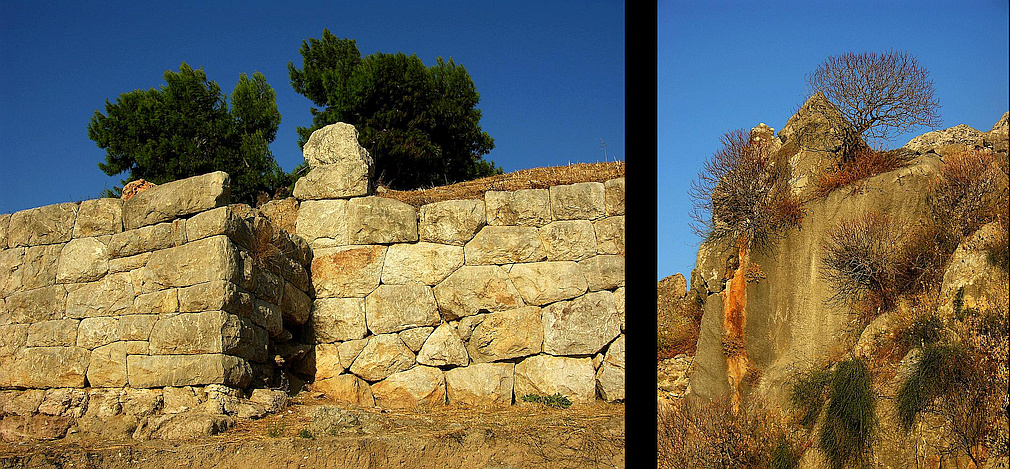
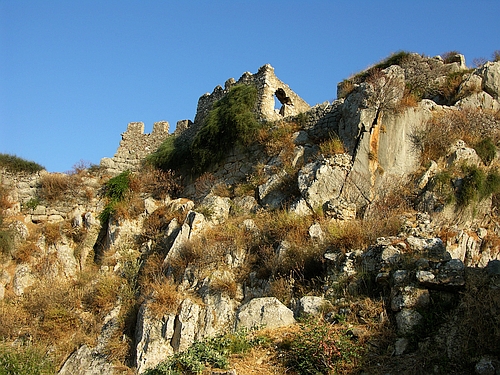
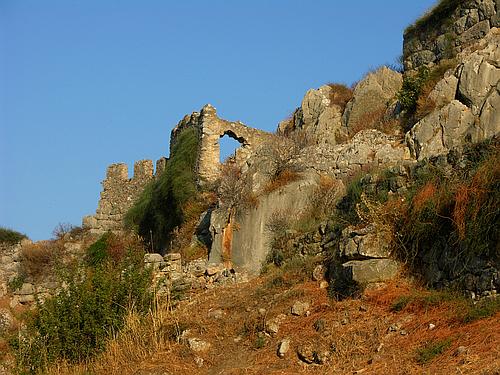
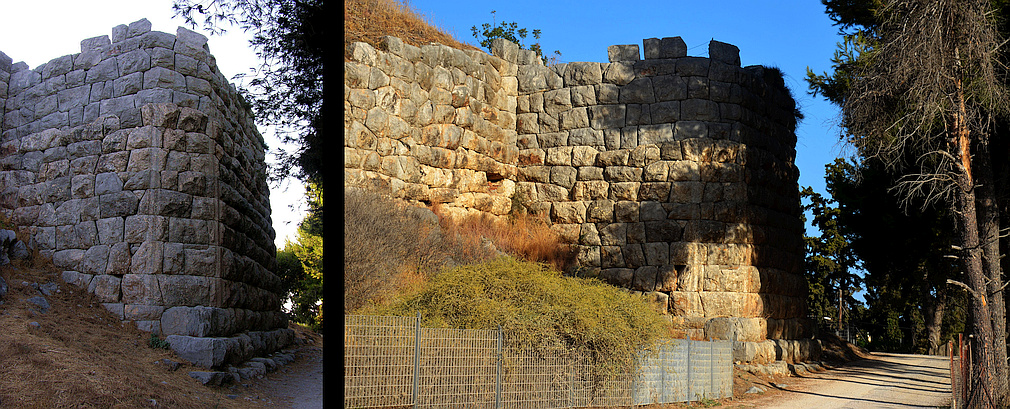
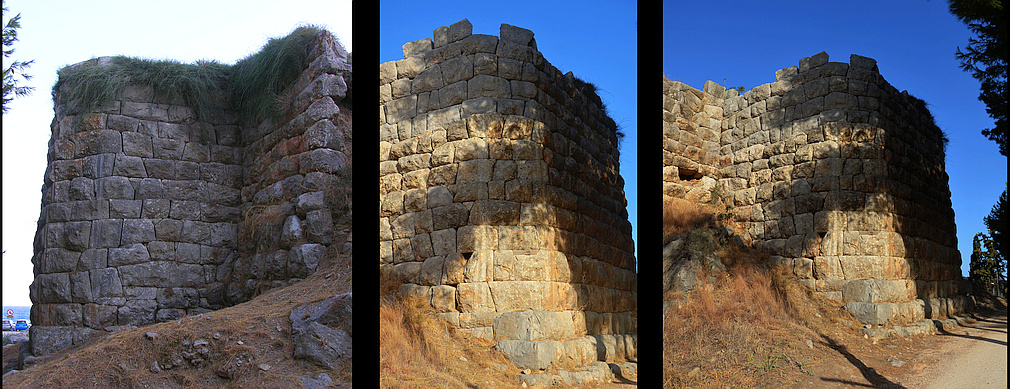
After Asine's decline it played no significant role for several centuries until in Hellenistic times (in ca. 300 BC) the massive fortification walls, bastions and towers were built that we see today. The main entrance of this fortification lies in the North, with a side entrance in the East.
The Great Bastion (photos above and below) is the most impressive building remaining. It was built to resist also catapults and other siege machines.