GREECE
 EPIRUS
PREVEZA
NEKROMANTEION
EPIRUS
PREVEZA
NEKROMANTEION

2024-11-11
Oracle of the Dead
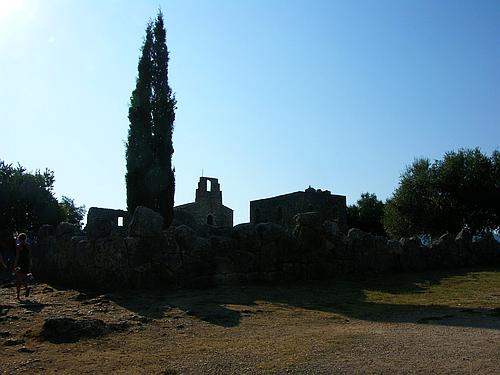
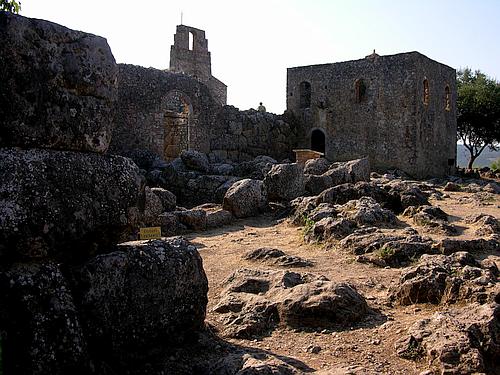
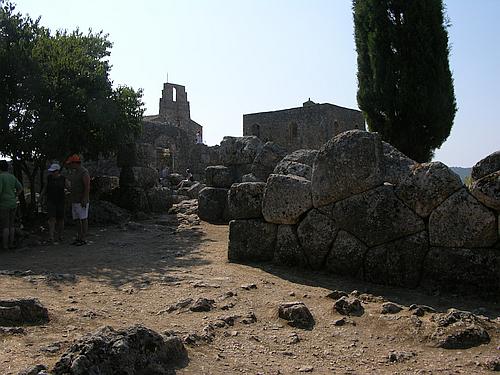
Where the rivers Kokytos and Acheron meet, at the western banks of the now drained mythical lake Acherusia, a rocky hill rises with ancient Nekromanteion, the Oracle of the Dead. (Other scholars interpret the site rather as a small fort, but I don't see how a number of features would fit into that picture.)
Since lake Acherusia did not obviously drain into the nearby sea it was believed to be an entrance to the underworld. According to ancient believe Hermes led the souls of the dead to the banks of this lake from where Charon ferried them to Hades.
Although the remains visible today mainly date from the 4th to 2nd century BC, there are strong indications that show a much earlier habitation. The cult of Persephone that was practiced here is actually prehellenic and goes back to the 2nd millenium BC. The existence of this unique sanctuary in the 8th century BC is especially confirmed by the description in Homer's Odyssey.
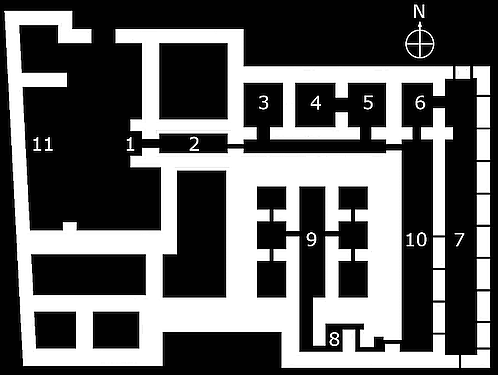
Plan of the site: 1. entrance, 2. north corridor, 3.-5. pilgrims' rooms, 6. bath, 7. outer corridor, 8. labyrinth, 9. central hall, 10. east corridor, 11. later building complex.
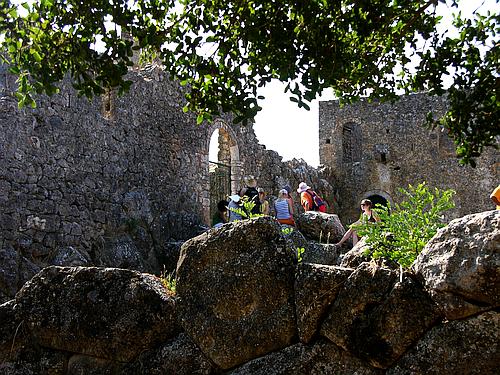
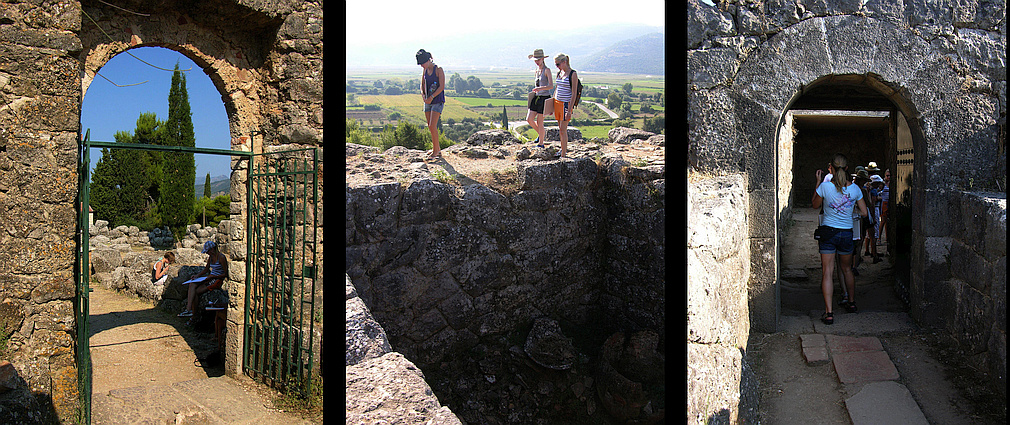
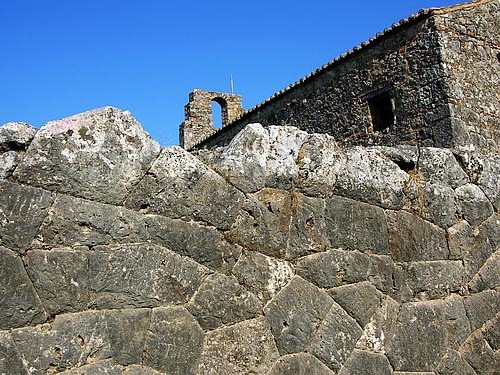
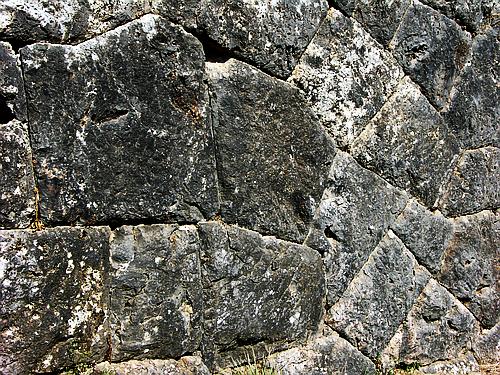
Sotiris Dakaris started excavating the site in 1958 and from what he and his team unearthed and what you see today still gives a good impression of the rites performed here: Pilgrims were required to prepare pysically and mentally before meeting the souls of the dead.
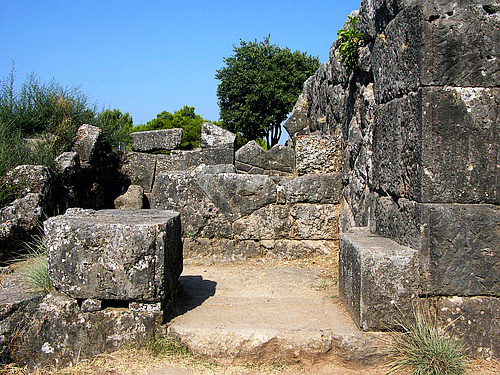
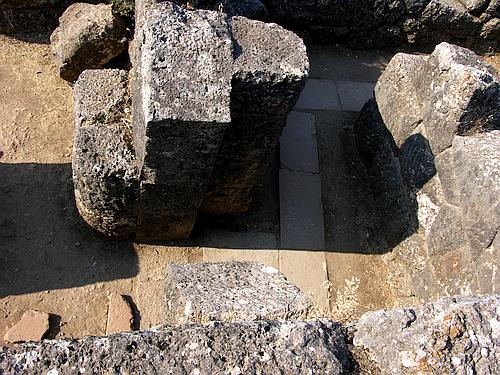
From the entrance (nr. 1 on the plan), the pilgrim was led through the North corridor (2) to one of the rooms (3-5), where they lived in complete darkness. After a considerable time in the dark rooms of the orcale, and a special hallucinogetic diet the visitor was taken by a priest to the bath (6) where various magical rites were performed for his purification. The visitor now entered the outer corridor (7) for the final phase of his preparation. It is not known for how long he stayed there, but the ceremonies must have been more frequent and the trials more severe. When the priest found the pilgrim ready - mentally shaken by isolation, darkness and silence - he was led to the labyrinth (8; photos above right and below), from where he entered the central hall (9), the dark palace of Persephone and Hades.
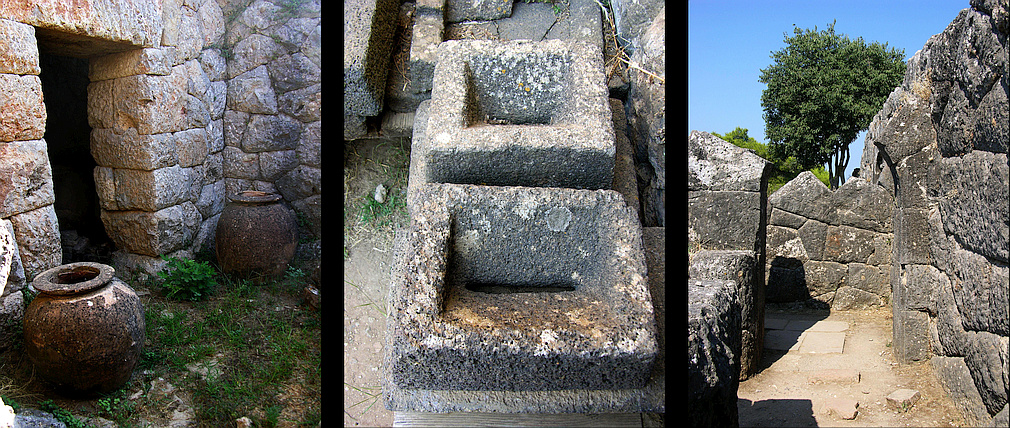
In the central hall the pilgrim, anyway convinced to meet the dead, was now even more shaken by the priests loudly imploring the gods of the underworld while Kerberos began to bark. - In this hall, a number of iron mechanical devices were found, probably used to raise an idol of the dead.
After the pilgrim consulted the oracle he was led via the East corridor (10), avoiding contact with any other visitor, to one of the rooms near the entranc where he had to stay for another three days. After this he departed to the Kokytos river and from there returned home. About his experiences he had to promise silence, any betrayal of the oracle's secrets was punished by death.
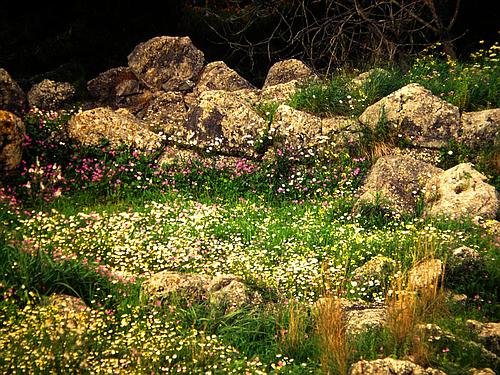
Below: The labyrinth.