GREECE
 THESSALY
TRIKALA
THEOPETRA
THESSALY
TRIKALA
THEOPETRA

2025-10-13
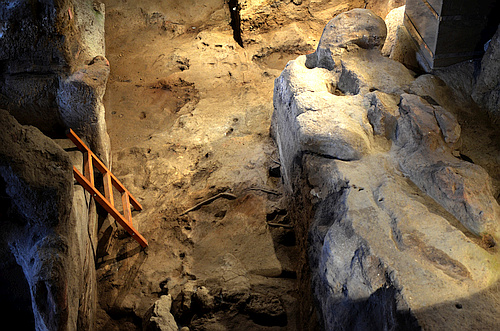
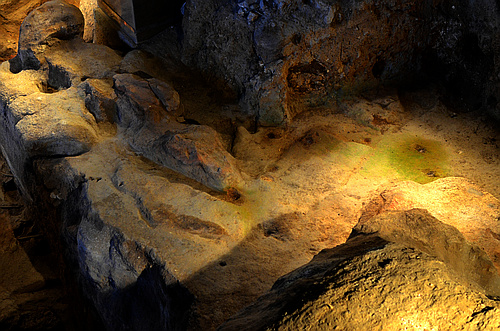
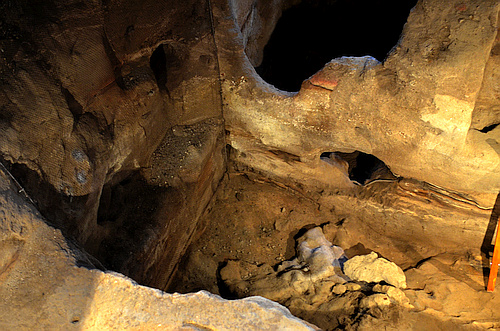
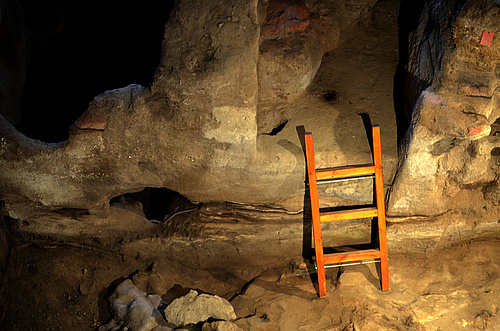
The cave was used intensively during the Middle Palaeolithic period (about 130.000 - 30.000 years ago) in the form of a permanent base camp, although it is very possible that the prehistoric people moved towards the uplands during the summer, following animals that were leaving the hot and dry plains in pursuit of grazing lands and milder climatic conditions.
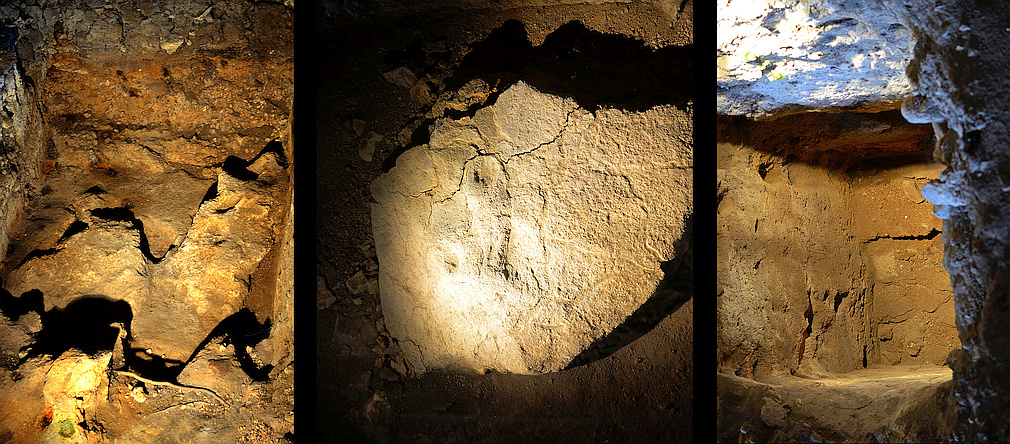
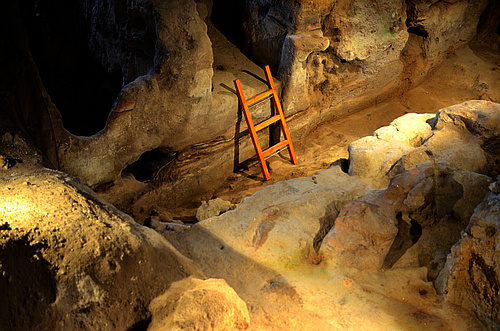
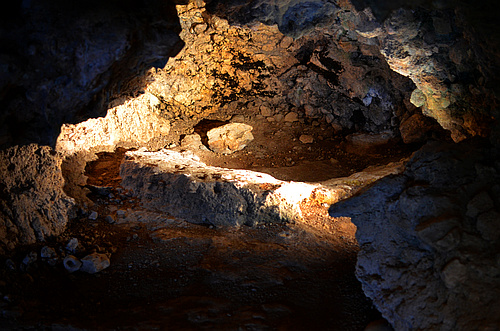
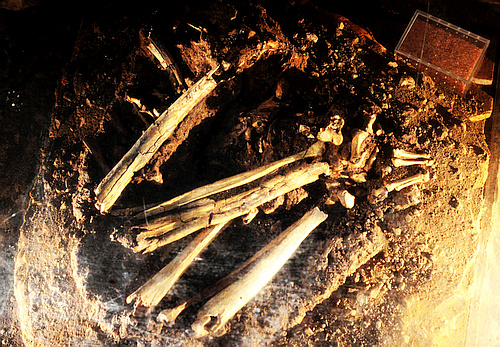
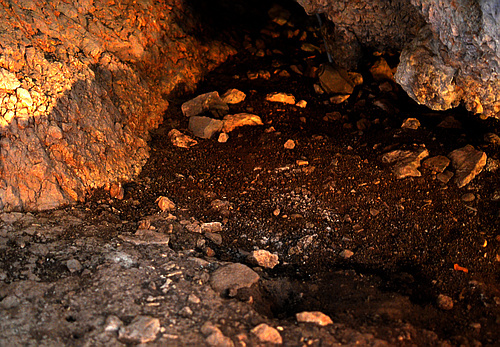
The anthropological finds of the excavation consist of an Upper Palaeolithic individual and possibly of a second one that dates to the same period, as well as three in situ burials dated to the Mesolithic period. The anthropological data set has also produced anatomical parts of another 29 individuals that date to the Neolithic period.
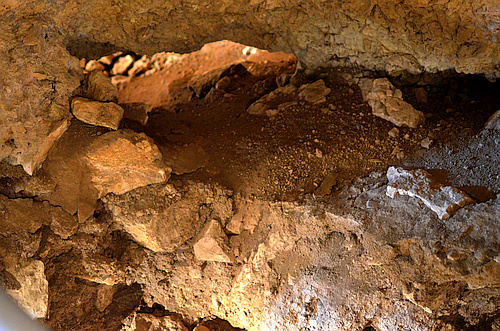
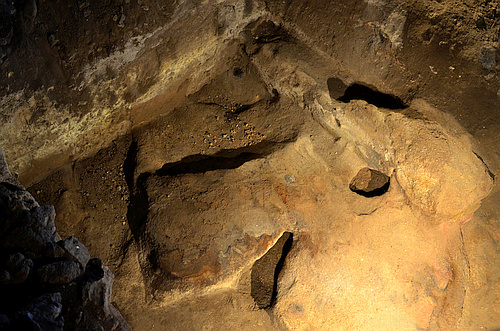
Through the study of the archaeological finds and the micromorphology of the cave deposits we are able to detect climatic changes though the Upper Pleistocene (about 130.000 - 10.000 years ago), the biological evolution of man and the domestication of animals, as well as the evolution of lithic (stone tool) technology and the gradual passing from hunting and gathering to farming and to the manufacturing of pottery at the beginning of the Neolithic period.