GREECE
 PELOPONNESE
MESSINIA
METHONI
PELOPONNESE
MESSINIA
METHONI

2025-01-13
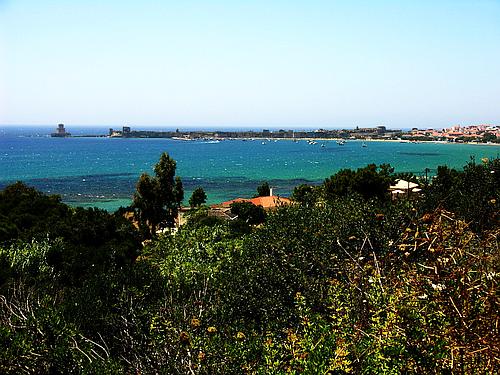
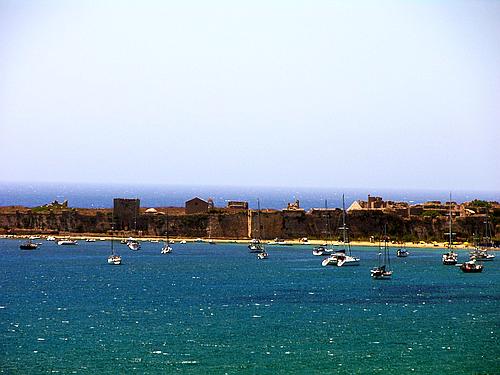
Mentioned in Homer's Iliad as Pedasos, "ampeloessa" (of vine leaves), the town was ruled by Nafplion in Classical times. There are, however, nearly no remains of this period in Methoni. What makes it famous though is its gigantic fortification, one of the largest of the Mediterranean.
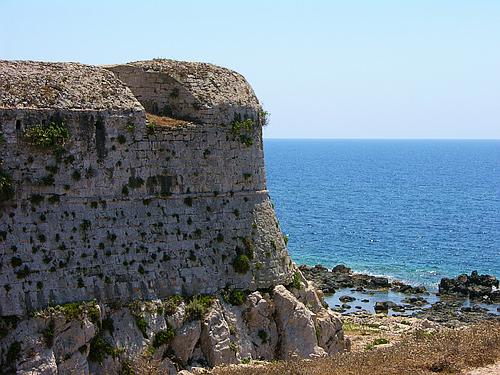
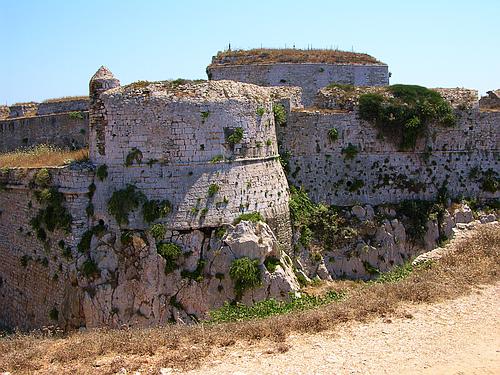
The site was fortified already in the 7th century BC, and in the period from 395 AD to 1204 AD it was a Byzantine castle. After a short Frankish period, the Venetians captured the fort in 1206 and constructed most of the complex that we see today. In the 12th century Methoni was, together with Koroni, one of the "two eyes of Venice" that controlled the important shipping route around the Peloponnese to the Eastern market. It was a very prosperous period of the city, which had 2000 inhabitants in 1436 - considerably more than today.
Methoni's descent began with the Turkish conquest in 1500. Except for a short Venetian interlude 1686-1715, the castle remained in the hand of the Turks until its liberation by French troops in 1828.
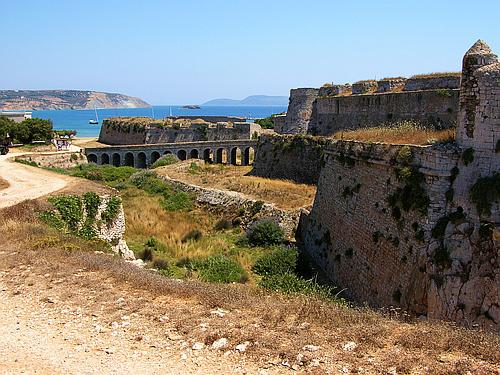
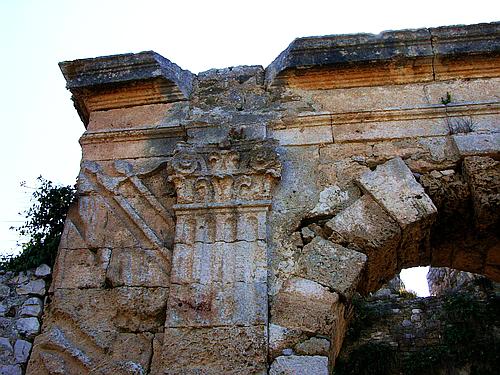
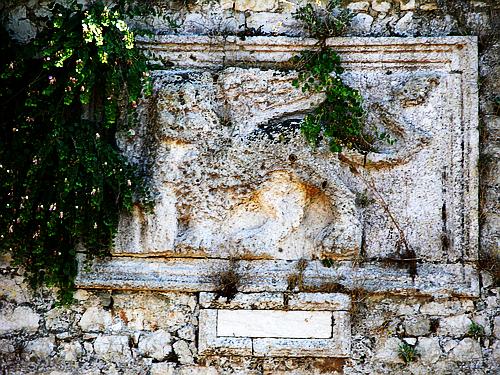
Below: The castle is protected by the sea on three sides. On its inland side it is surrounded by a wide moat, spanned only on one point by a 45 m long bridge with 14 arches. This leads to a large gate, carefully constructed with pillars and korinthian capitals, probably by Venetians after 1700. Left of the gate is a relief with the winged lion of St. Mark, the landmark of Venice.
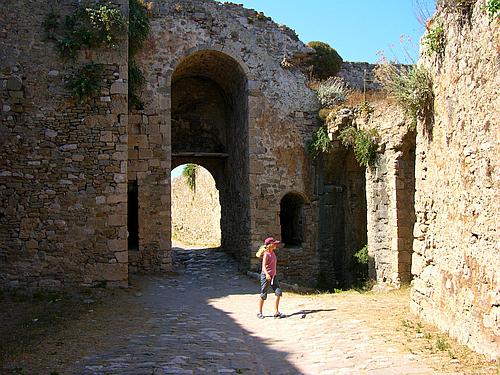
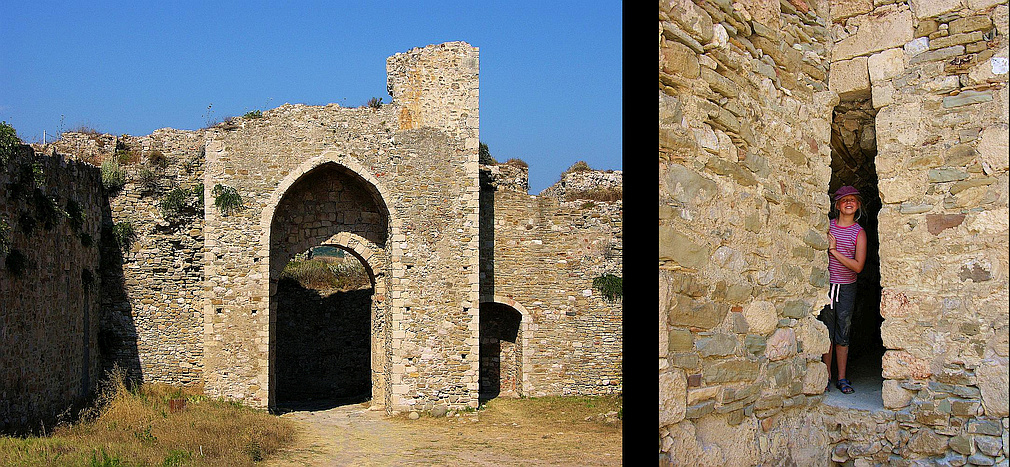
Above right and below: Right after the central gate, a domed road opens up that leads through a second gate and then a third into the interior of the castle. The latter, round-arched and 6 m high, gives access to the immense inner court of the bastion.