GREECE
 PELOPONNESE
ARCADIA
AGIORGITIKA
PELOPONNESE
ARCADIA
AGIORGITIKA

2024-10-28
Neolithic Agiorgitika
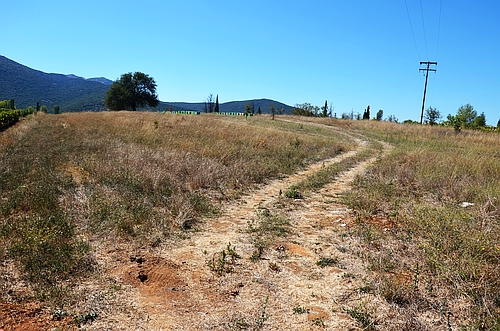
The low mound of Agiorgitika seen from the North in 2021. - Carl Blegen discovered the site in November 1921 because of a dense scatter of sherds on the surface and excavated there from June to July 1928, finding two Neolithic levels and traces of an Early Helladic settlement on top. The site was backfilled after the excavations so there is nothing more to see of the architectural remains.
Helladic Agiorgitika
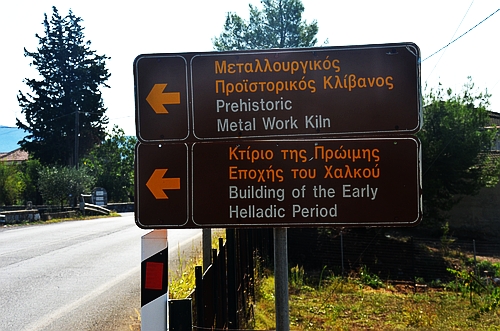
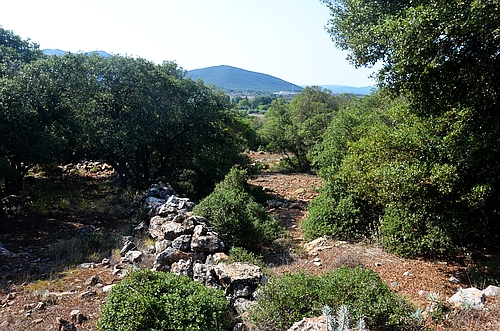
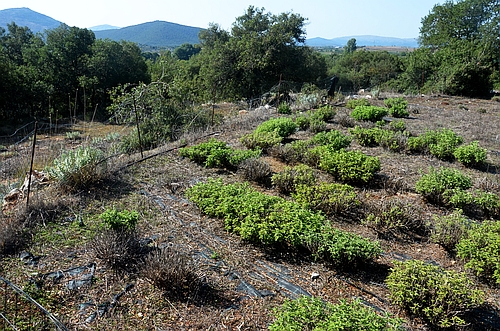
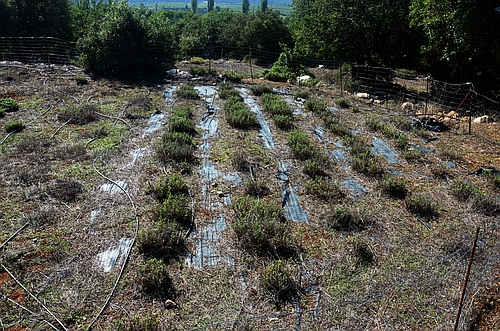
On the road near the last houses of Agiorgitika there are these signs, but wandering in the fields only showed the landscape like above right and not "the largest Prehistoric furnace ever excavated" (or at least I did not realize it as such). What I did find (photos below) was a fenced area that I think contains the fundaments of the "building of the Early Helladic Period". Well, there is practically nothing to see except the typical plastic sheets that archaeologists use to cover their excavations.
Classical Agiorgitika
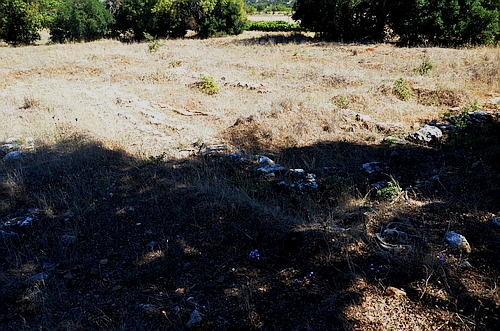
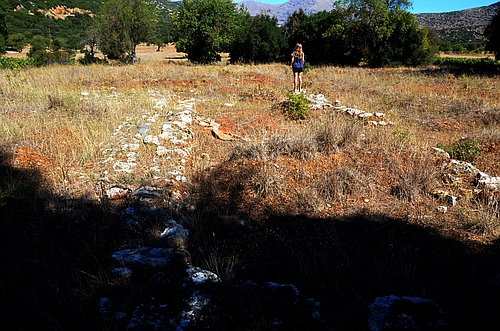
About 1 km East of Agiorgitika are remains of the Classical era, excavated by Victor Bérard who attributed them to sanctuaries of Demeter and Dionysos. These were mentioned by Pausanias and are possibly associated with the ancient Tegean deme of Korytheis.
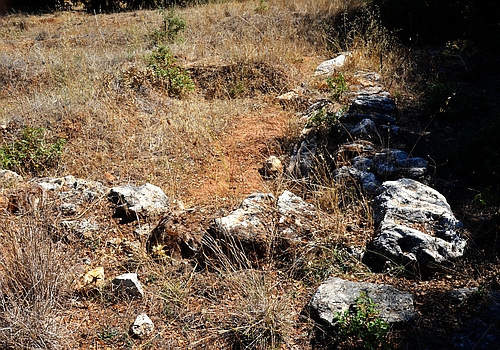
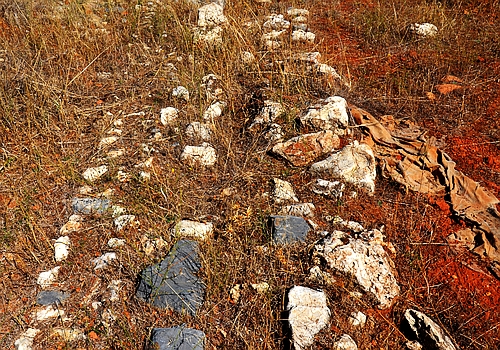
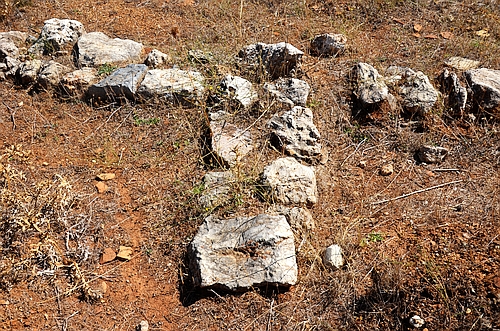
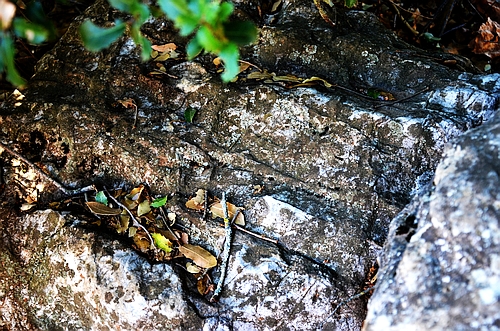
There is no sign to the site and all you see are the foundations marked by irregular stones. They are probably not part of the ancient walls that are covered by rotten fabric sheets. Just one piece that I found (below right) looks like an original fragment.