GREECE
 PELOPONNESE
ACHAIA
PATRAS
CITY
PELOPONNESE
ACHAIA
PATRAS
CITY

2024-10-28
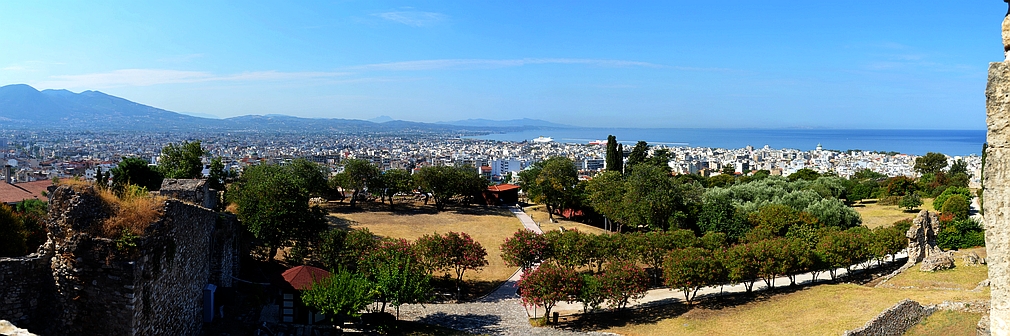
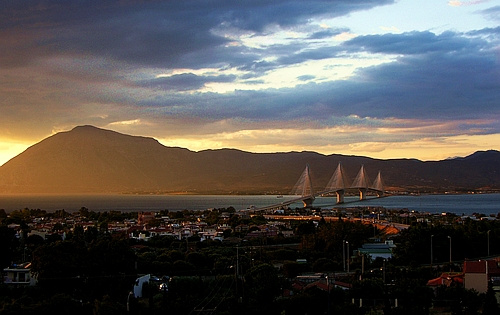
With its increasing population of some 300,000 souls, Patras (seen above from the fortress) is the third largest city of Greece after Athens and Thessaloniki. It is a sprawling metropolis by the sea with a wonderful old section, neoclassical buildings, cathedrals, museums, shops, bars, cafes and a vibrant nightlife.
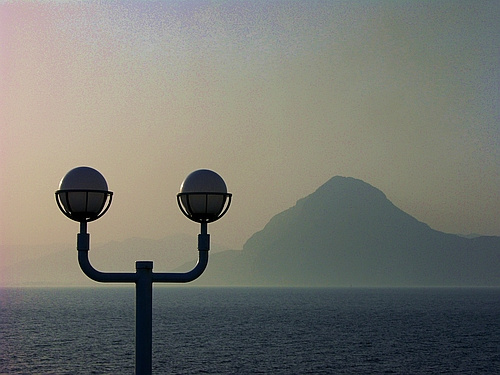
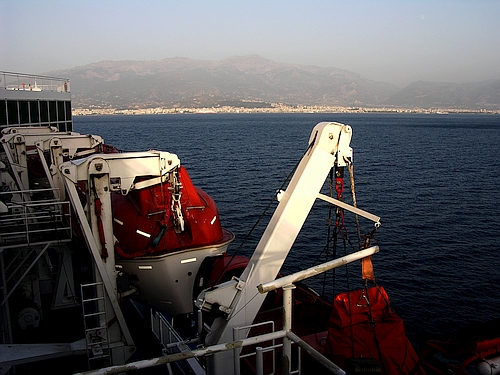
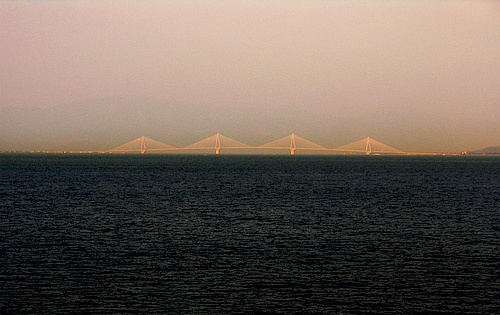
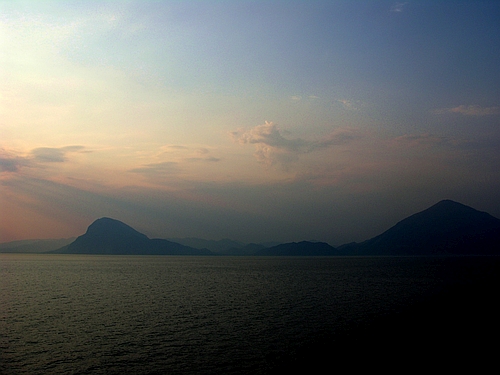
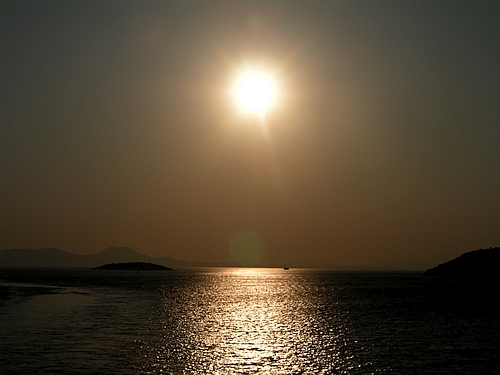
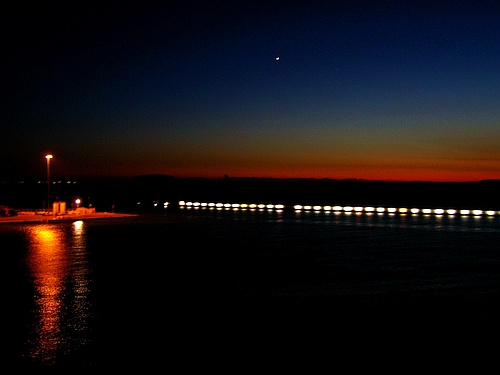
Most visitors know Patras because of its very busy port where the ferries from Italy arrive. - Below: The Rion-Antirion bridge seen from the hospital in Patras and from the boat off Patras.
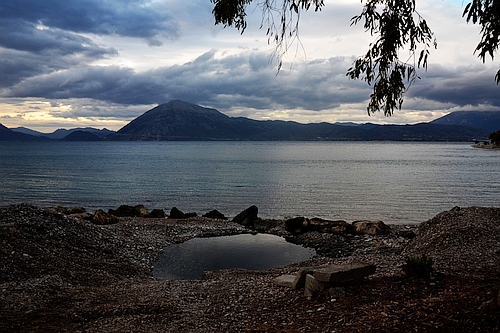
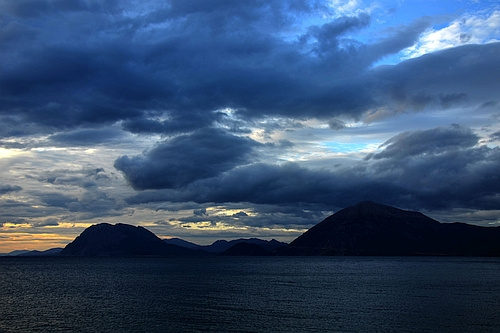
The ancient Greek city-state has left no significant traces in Patras. Due to a colony of Roman veterans founded in AD 14, there are however many remains of the Roman period. Saint Andrew the Apostle preached in Patras and was martyred there. - Remarkable is the fortress of Patras, built in the second half of the 6th century AD on the ruins of the ancient acropolis. It reflects the vicissitudes of Patras' rulers: Byzantines, Franks, Palaiologues, Venetians, Turks. In 1828, Patras was liberated.
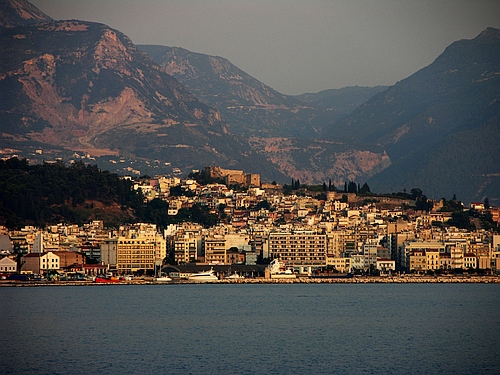
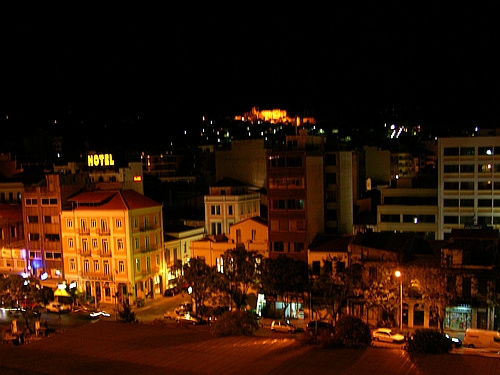

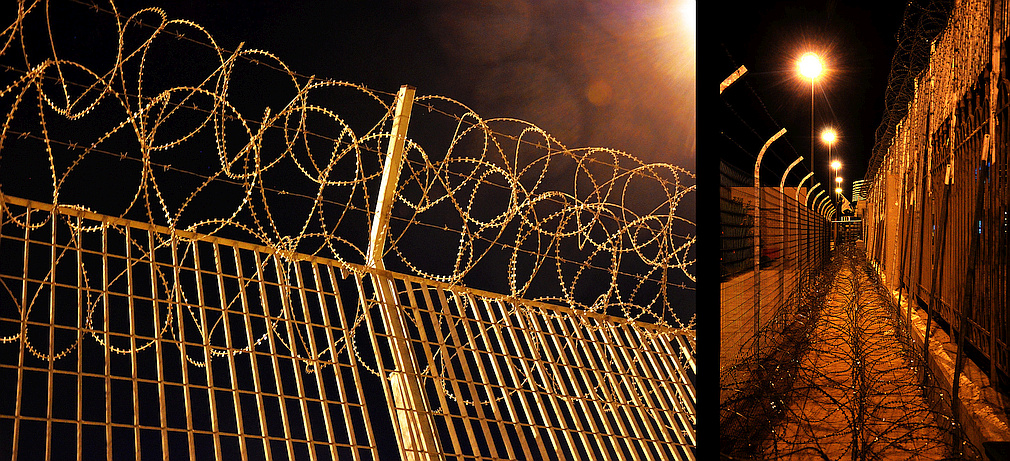
Below: Since migrants managed to enter ferryboats to Italy in the past years, the port of Patras was turned into a high-security area by 2017 - not by chance reminiscent of a Nazi concentration camp. And not much changed in the years since then, the police still patrolling with dogs in the harbour and seizing refugees who somehow managed to hide on the premises.