GREECE
 MACEDONIA
EMATHIA
VERGINA
TUMULUS
MACEDONIA
EMATHIA
VERGINA
TUMULUS

2025-10-08
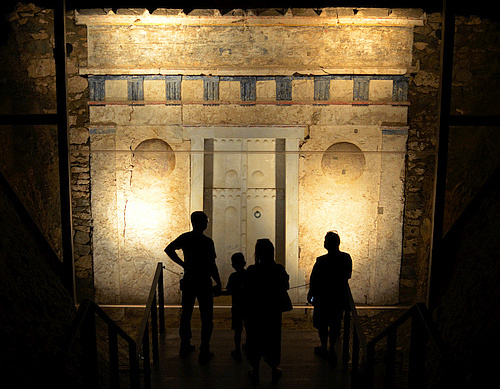
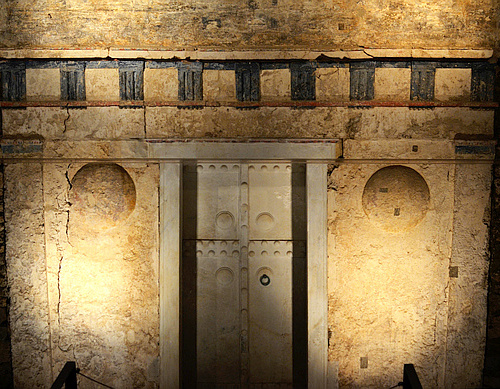
One of the tombs excavated by Manolis Andronikos in 1977 and that he found undisturbed since antiquity is a large Macedonian tomb (9.50m long x 5.60m wide) with two chambers and a temple-like façade. The marble entrance is flanked by two half-columns and surmounted by two friezes, a Doric frieze with triglyphs and metopes and an Ionic one.
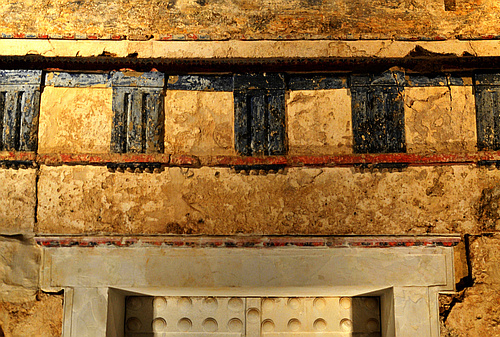
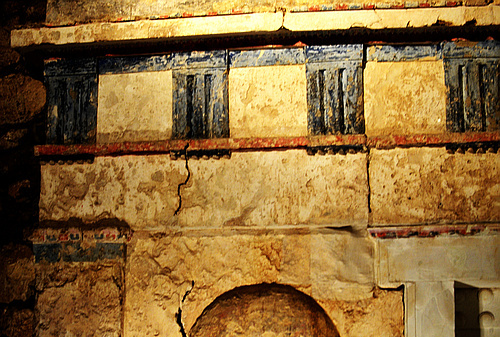
Not much can be discerned of the Ionic frieze which bears a magnificent wall-painting of a royal hunt, in which Philip himself, his son Alexander and their royal companions are depicted hunting a lion, boar and other wild animals in a Macedonian forest.
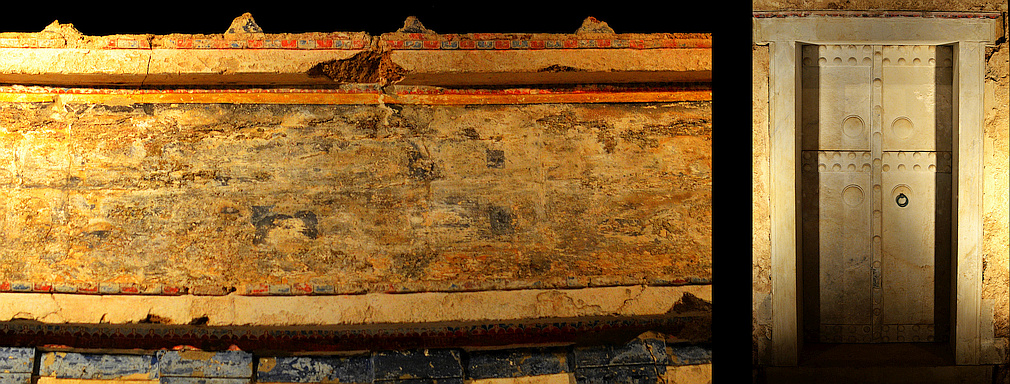
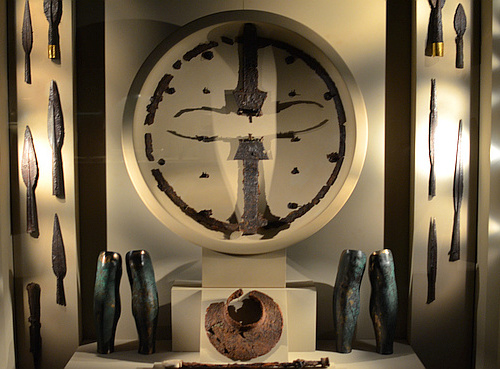
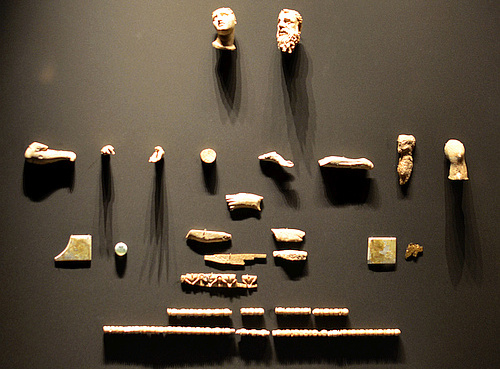
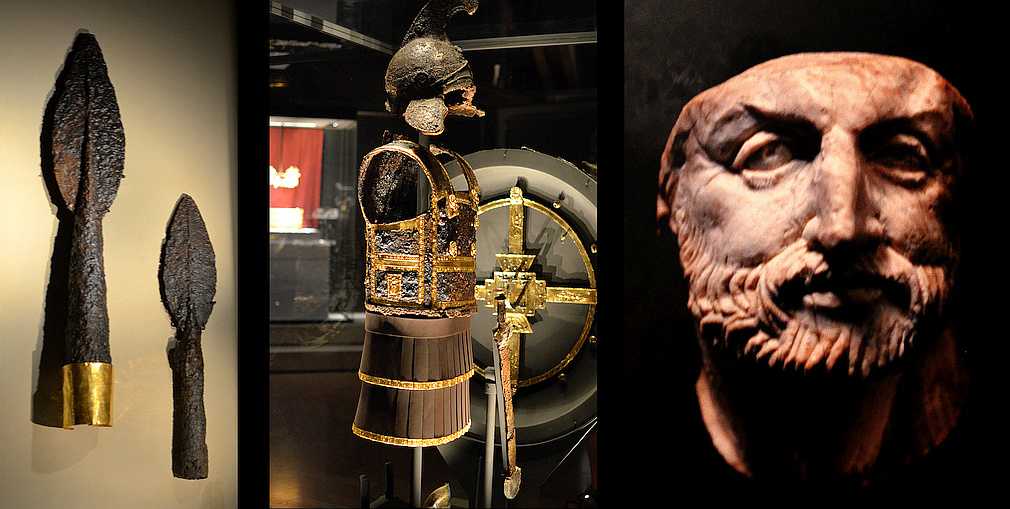
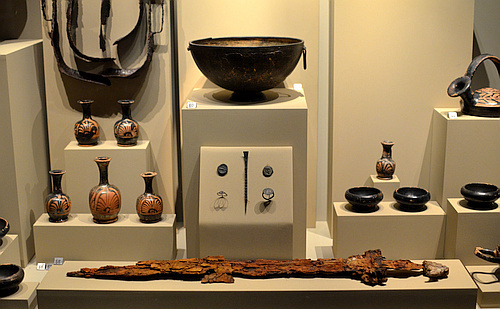
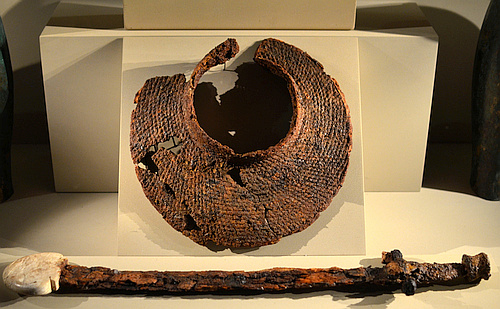
Professor Manolis Andronikos, the archaeologist who brought the treasures of the royal tumulus to light had the knowledge and perceptiveness to recognise them for what they were. Based on the dating of the grave-goods and other evidence, Andronikos securely identified this tomb as that of Philip II, father of Alexander the Great, and king of Macedonia from 359 BC until his assassination in 336 BC, under whose rule Macedonia rose to the hegemonial power of Classical Greece. - In 2010, research based on detailed study of the skeletons, vindicated Andronikos and supported the evidence of facial asymmetry caused by a trauma of the cranium of Philip II. Very recent studies have again confirmed this identification.