GREECE
 CRETE
LASITHI
PSYCHRO CAVE
CRETE
LASITHI
PSYCHRO CAVE

2024-10-28
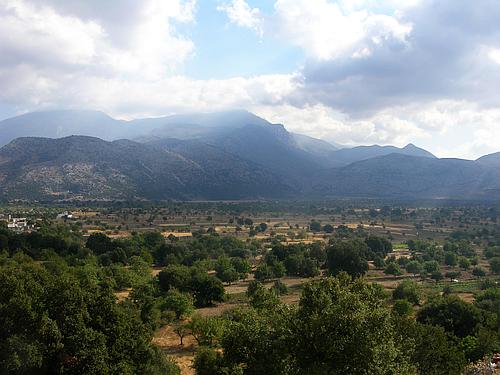
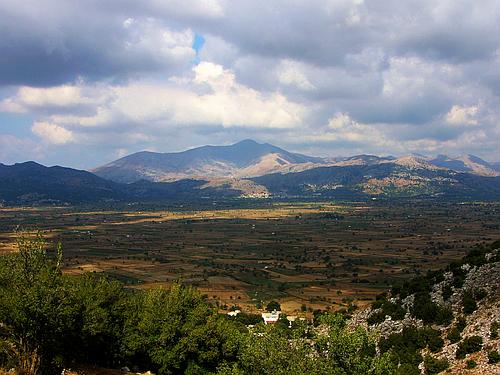
On the northern slopes of the Dikti mountain range, at an altitude of 1025 meters, lies the famous Psychro Cave. From Psychron village with its souvenir shops and tavernas, a steep stone track zig zags upwards in about 20 minutes through dense forest to a plateau, from where the view to the fertile Lasithi plain and the surrounding mountains is spectacular. An alternative route is a gravel path, on foot or by mule ride.
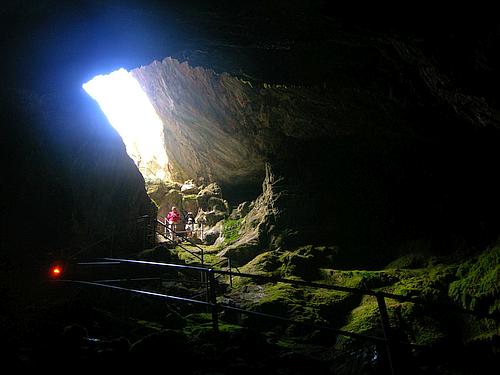
Identified as Dictaean Cave (Dikteon Andron), it is the place where Rhea, escaping the infanticidal intentions of Kronos, gave birth to Zeus. According to Greek mythology, the goat-nymph Amalthea nursed Zeus in this cave, while the Kourites hid the infant's crying with the clanging sounds of their weapons and wild dancing. - It is said to be also the place, to where Zeus later carried Europe, after he had kidnapped her from Phoenicia. And even later, Epimenides, the famous augur of the archaic era is supposed to have "slept" here for many years, and had his visions.
Psychro Cave is one of the most important cult places of Minoan Crete. Although cult practices here began already in the Early Minoan period (2800-2300 BC) - with Neolithic potsherds as clear indication of an even earlier occupation in the antechamber of the cave - the main period is Middle Minoan I (ca. 2000 BC and later), when the élite who built and occupied the first palaces on Crete established cult places on hilltops ("peak sanctuaries") and in caves. Psychro Cave played an outstanding role in this context as attested by the innumerable votive offerings found here. The finds, now mostly exhibited in the Archaeological Museum of Heraklion and the Ashmolean Museum in Oxford, show that pilgrims came here from far away until the Roman period.
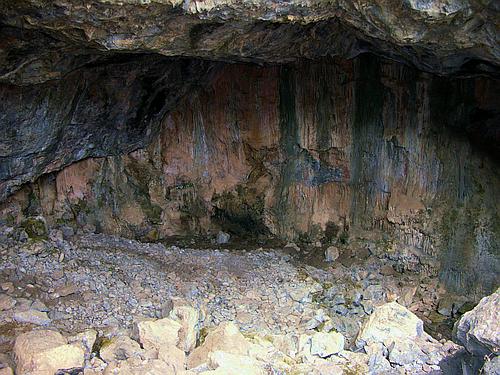
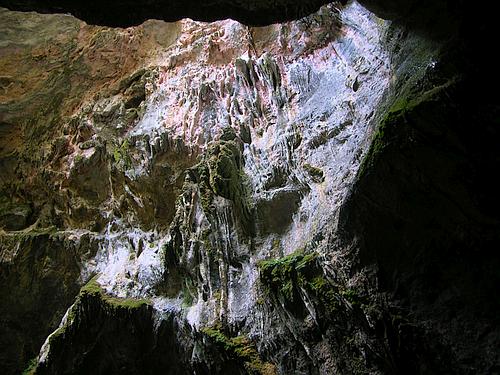
After inhabitants of the area found ancient items in the cave towards the end of the 19th century, the site was visited by A. Evans and Myres in 1895, by J. Chatzidakis and F. Halbherr in 1886, and again by A. Evans in 1897. The first more systematic explorations were started in 1899 by D.G. Hogarth, though his method was somehow unconventional through the use of explosives. More thorough excavations have not taken place yet.
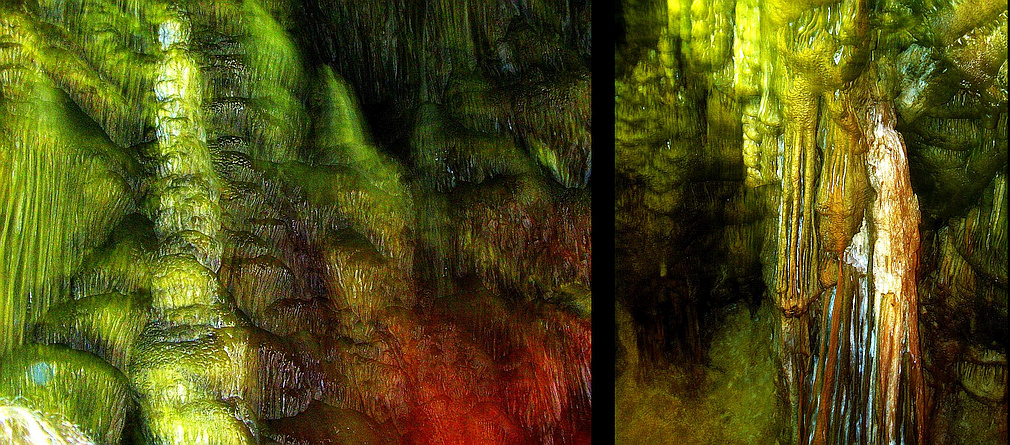
At the right side of the cave's entrance is an antechamber (42 x 19 m) with a rectangular altar and an irregular peribolos. From there, a modern gangway leads down to the depths of the lower cave (Kato Spileo) with a small lake surrounded by huge, impressive columns of stalagmites and stalactites, one of them known as "the mantle of Zeus".