GREECE
 CENTRAL GREECE
FOKIS
DELPHI
SANCTUARY
CENTRAL GREECE
FOKIS
DELPHI
SANCTUARY

2024-11-06
the Theatre
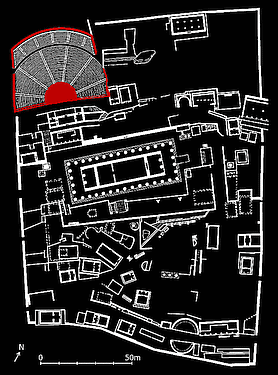
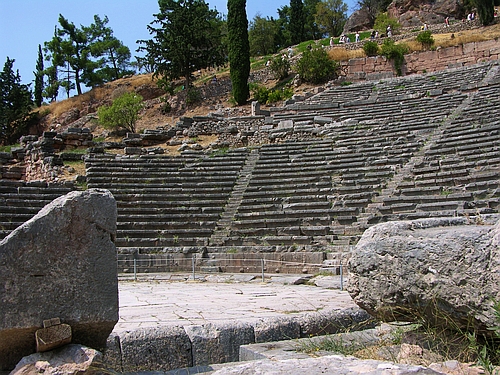
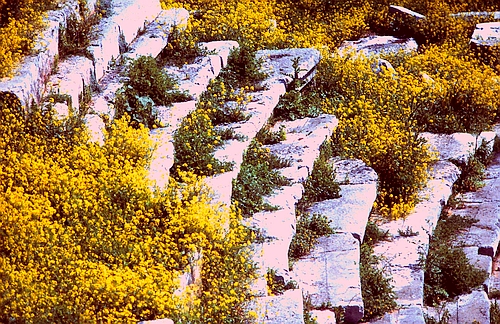
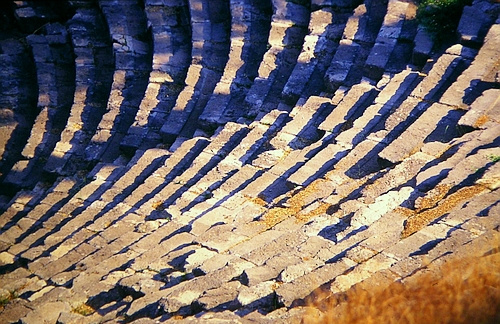
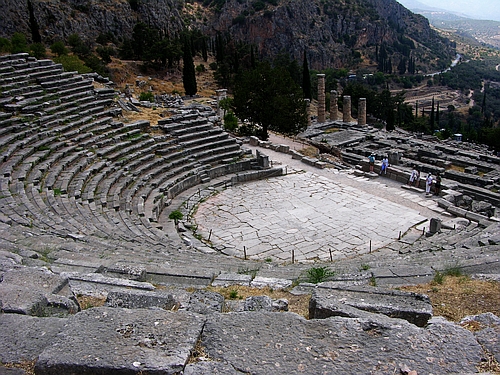
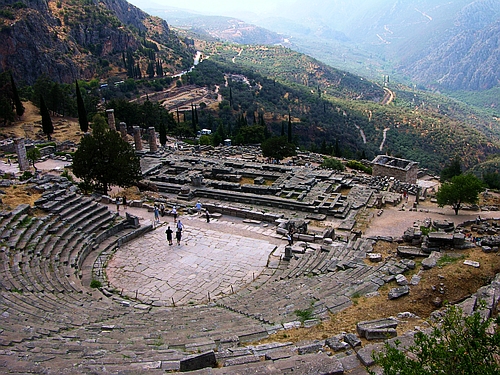
Remains of many more monuments are to be seen but one of the most impressive is the theatre of the 4th century BC (with restorations in the Roman period). The cavea with its 35 rows of white marble benches accommodated 5000 spectators. It is here that every four years musical contests were held (tragedies and comedies being added later) as part of the Pythian Games, commemorating Apollo's slaying of the serpent Python. The laurel wreath as prize of the Pythian Games was by no means inferior to the olive wreath of Olympia.
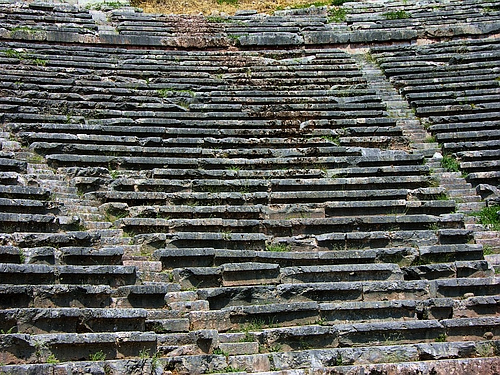
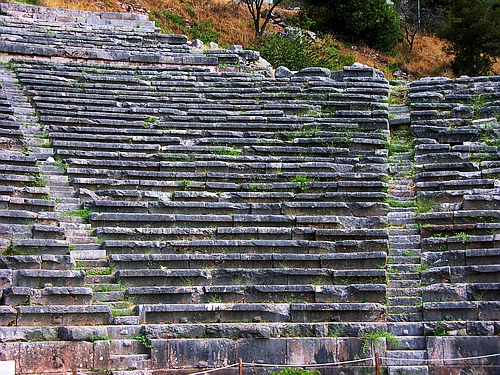
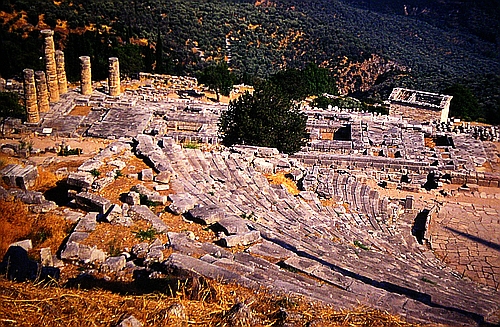
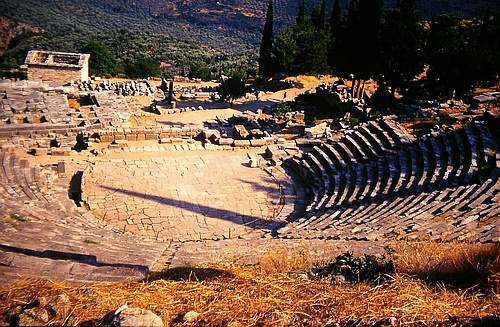
Looking down to the theatre, the temple of Apollo and the landscape beyond.
the Stadium
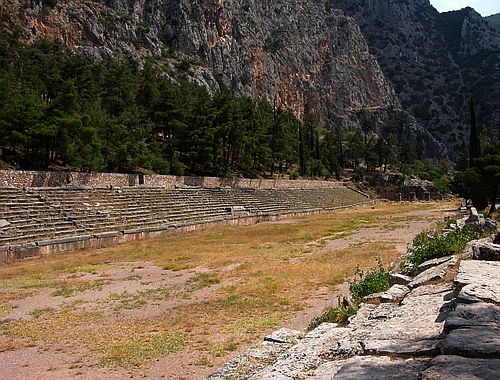
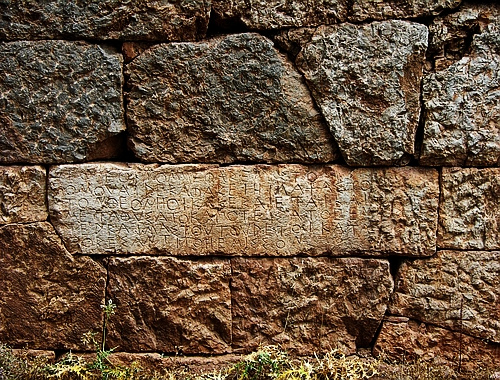
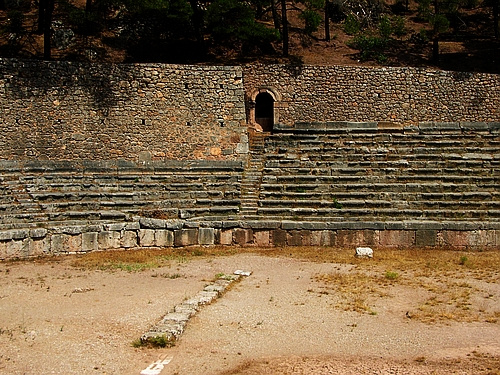
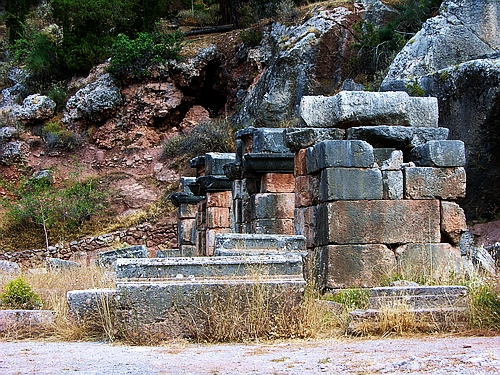
Behind the theatre, a path winds up to the stadium with an inscription on the stadium's South wall with Classical masonry of the 5th century BC, at an altitude of 645 m - the place of athletic competitions in the Pythian Games. - Below left: The semicircular sphendone on the West end of the stadium. - Below right: Remains of the triumphal arch decorating the East entrance of the stadium since Roman times.