GREECE
 ATTICA
SARONIC ISLANDS
AEGINA
ATTICA
SARONIC ISLANDS
AEGINA

2024-10-28
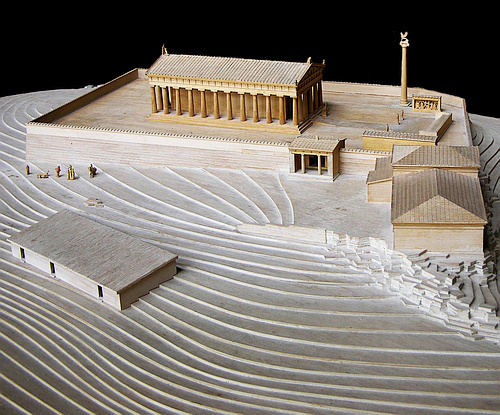
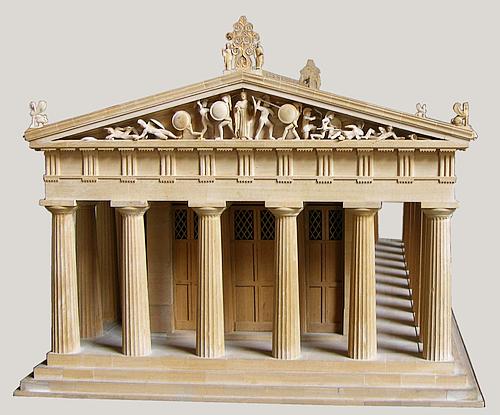
In 1811, the young English architect Charles Robert Cockerell and Baron Otto Magnus von Stackelberg removed the fallen fragmentary pediment sculptures from the site, shipped them abroad and sold them the following year to the Crown Prince, soon to be King Ludwig I of Bavaria. Restored by the Danish neoclassic sculptor Bertel Thorvaldsen, the marbles from the temple of Aphaia since then are on display in the Glyptothek of Munich, from where all the photos on this page are.

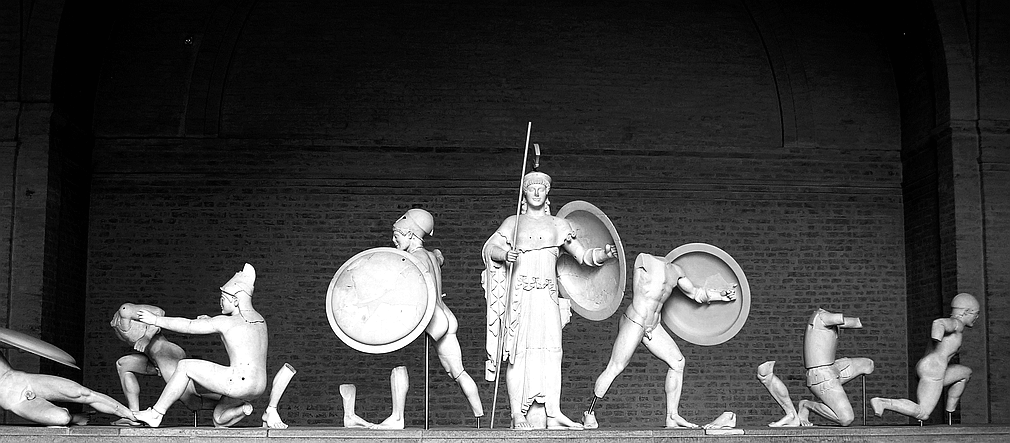
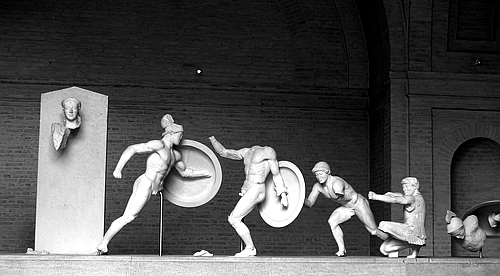
The west pediment (505 / 500 BC) depicts a scene from the (second) Trojan War with Athena (I) as central figure. On each of her sides is a pair of warriors (IX = Aias, grandson of Aiakos). This is followed by knieling bowmen (IV, XI), in front of them crouching warriors with fallen opponents (V/VI, XII/XIII). At the outsides are warriors (VII, XIV) wounded by the arrows of the bowmen.
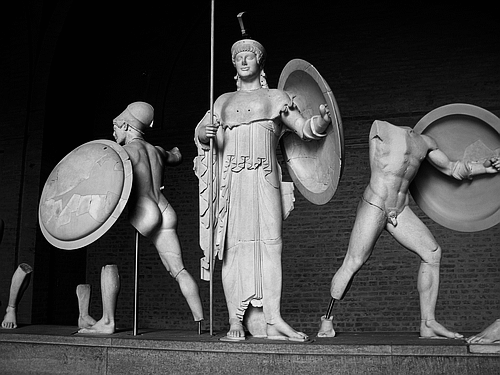
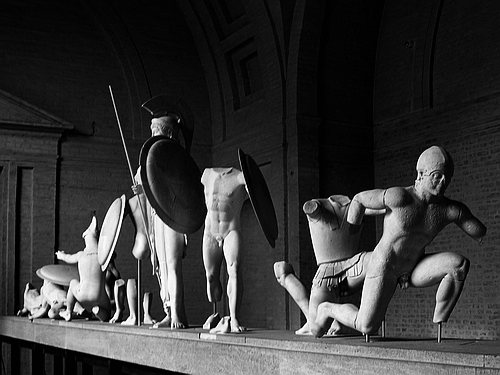
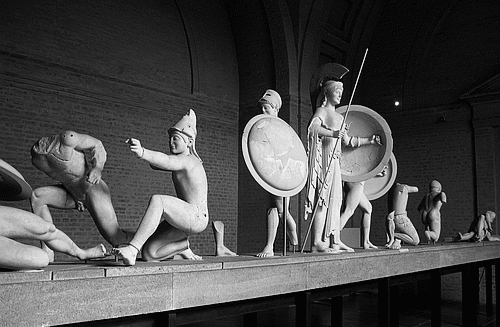
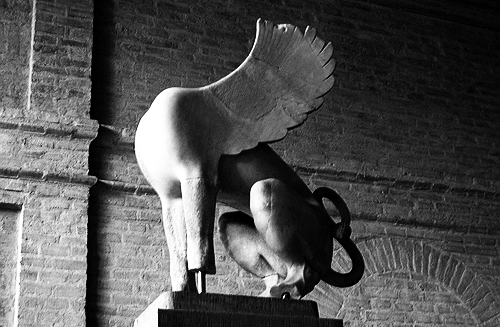
Above left: Another view of the reconstructed west pediment. - Above right: Torso of a sphinx, originally crowning the northwestern corner of the temple's roof.
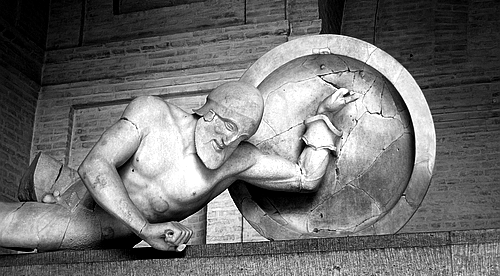
Below: The east pediment presents a scene from the "First" Trojan War, when Herakles and Telamon besieged the city. Telamon is the father of Aias and the son of Aiakos, first ruler of Aegina. When taking the city by storm Herakles' arrows killed the Trojan king Laomedon and all of his sons except Priamos. Again, Athena is the central figure, but here she intervenes in the fight, threatening Priamos with the aegis. On the other side is Telamon engaged in close combat. The bowman on the right is Herakles. - Below right: The dying warrior with the archaic smile is the old king Laomedon, hit by Herakles' arrow.
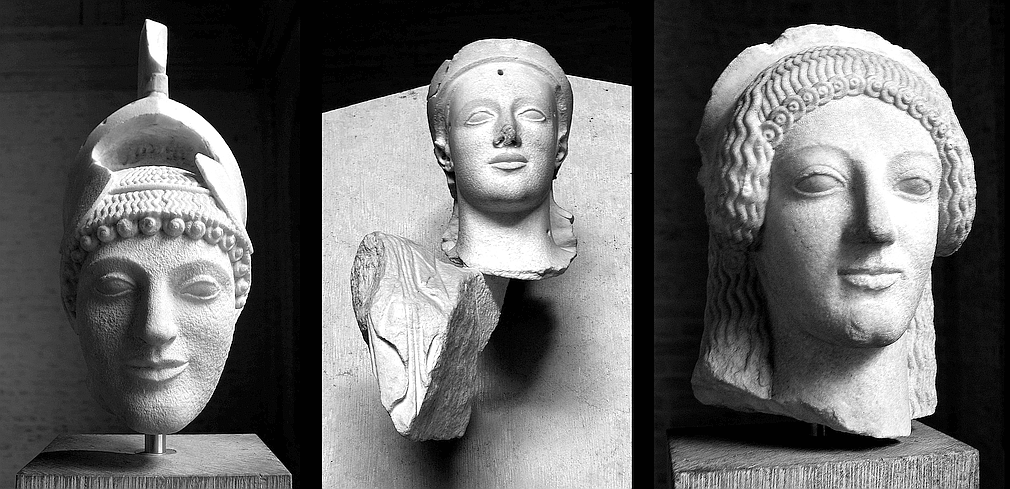
Below from left to right: Woman's head with helmet, probably Athena. - Athena from the east pediment. - Head of a sphinx from the northeastern corner of the temple's roof.